
Protective Effects of Sports Participation
Living with scoliosis can present unique challenges, but it doesn’t have to stop young athletes from pursuing their dreams. In fact, participating in sports can be life-changing for adolescents with scoliosis, offering physical, emotional, and social benefits that go far beyond the playing field. Let’s explore how sports can empower individuals with scoliosis and help them thrive.

Breaking Down Barriers: The Challenges of Scoliosis in Sports
Playing sports can feel intimidating for young athletes with scoliosis, both physically and emotionally. The curve in their spine may cause discomfort, limit flexibility, or create uneven muscle strength, making some movements harder. There’s also the worry that certain sports could make things worse, adding to their hesitation.
On the emotional side, body image issues—especially when wearing a brace—can cause self-consciousness, making team sports or public activities intimidating. Many also face myths about what they can or can’t do. These myths only add to their fear and keep them from discovering the joy and benefits of being active.
The solution? Education and encouragement. With the right guidance and understanding, young athletes can confidently engage in safe and supportive activities, breaking free from these limitations and embracing an active lifestyle.
Why Sports Matter: Protective Benefits for Scoliosis
Participating in sports isn’t just possible for individuals with scoliosis; it’s beneficial. Research shows that adolescents with scoliosis who stay active are up to 30% less likely to experience curve progression compared to their less active peers. Sports that focus on building core strength and flexibility, such as swimming, can naturally support the spine, reduce stress on the vertebrae, and enhance overall posture.
The benefits extend beyond physical health: Staying active allows for a sense of control and empowerment. Scoliosis becomes a manageable part of their life rather than a barrier. It also promotes a positive mindset toward fitness and encourages a lifelong commitment to strength and well-being.
Top Activities for Scoliosis Patients
While many sports can be safe and enjoyable for individuals with scoliosis, certain activities stand out for their spine-friendly benefits:
Walking & Running: Moderate-intensity activities that boost cardiovascular health and muscular endurance.
Swimming: This low-impact, full-body workout improves flexibility, strengthens muscles, and supports spinal alignment without putting stress on the joints.
Cycling: A great cardio exercise that’s easy on the back and helps build leg strength.
Yoga & Pilates: These practices enhance core stability, posture, and spinal alignment. (Tip: Look for instructors experienced in scoliosis-friendly techniques.)
Inspiration in Action: Saskia Broedelet’s Journey at the 2024 Olympics
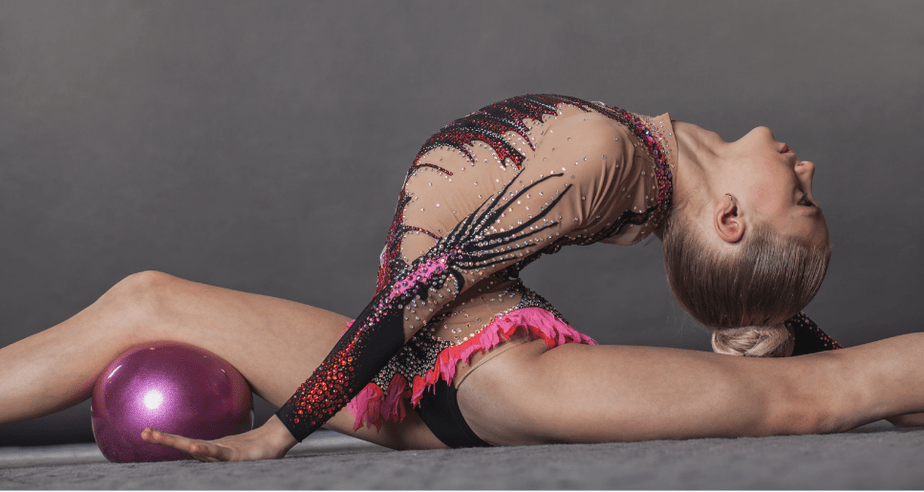
In 2017, Saskia Broedelet found out she had scoliosis. But instead of letting it define her, Saskia embarked on a remarkable journey of resilience. She embraced scoliosis-specific exercises and wore her ScoliBrace with determination, all while pursuing her passion for gymnastics. Today, Saskia is a proud member of the Australian Rhythmic Gymnastics Olympic Team.
Her performance at the 2024 Paris Olympics not only dazzled audiences, but served as a shining example of what’s possible with perseverance and a love for sports. Saskia’s story is an inspiration to many young athletes everywhere. She proved that scoliosis doesn’t have to hold anyone back.
Click Here to Watch the Full Interview
If Saskia’s story isn’t enough to inspire, consider these legendary athletes who didn’t let scoliosis stand in their way:
- Usain Bolt (Track & Field): The world’s fastest man overcame scoliosis to dominate the track.
- Natalie Coughlin (Swimming): This Olympic medalist excelled in the water, proving scoliosis doesn’t limit greatness.
- Sarah Michelle Gellar (Martial Arts): The actress stays fit and strong with martial arts despite her condition.
These athletes are living proof that scoliosis is no barrier to success.
Staying Active Post-Surgery
For athletes recovering from spinal surgery, the road back to sports can be challenging but rewarding. Under the guidance of medical professionals, patients can gradually rebuild strength and confidence. They can rediscover their passion for physical activity while setting new milestones.
The Bottom Line
Scoliosis doesn’t have to keep young athletes on the sidelines. Individuals with scoliosis can enjoy the physical, emotional, and social benefits of an active lifestyle. This can be achieved by choosing spine-friendly sports, following expert advice, and staying motivated. Whether it’s excelling in rhythmic gymnastics, conquering the track, or simply enjoying a swim, the possibilities are endless.
Remember: The key to thriving with scoliosis is a proactive approach. Embrace the journey, stay active, and let your love for sports guide you to new heights.
Closing Thoughts
Staying active with scoliosis is not just possible; it’s highly beneficial. Athletes can manage their condition effectively by incorporating supportive sports. By adhering to medical advice and staying motivated, they can achieve remarkable milestones.
The journey back to sports is demanding for athletes recovering from spinal surgery. However, it is filled with opportunities to rediscover their passion, and excel and reach new heights.
- Tetreault TA, Garg S. Return to play following spine surgery. Front Pediatr. 2023 Apr 17;11:1176563. doi: 10.3389/fped.2023.1176563. PMID: 37138567; PMCID: PMC10150059.
- Negrini A, Donzelli S, Vanossi M, Poggio M, Cordani C, Zaina F, Negrini S. Sports participation reduces the progression of idiopathic scoliosis and the need for bracing. An observational study of 511 adolescents with Risser 0-2 maturation stage. Eur J Phys Rehabil Med. 2023 Apr;59(2):222-227. doi: 10.23736/S1973-9087.23.07489-0. Epub 2023 Mar 9. PMID: 36892518; PMCID: PMC10167700.


 Ask Dr. James