
Parents, coaches, and even the young athletes I treat often ask me questions. One of the most frequent questions is:
“Will sports—especially high-impact ones—make scoliosis worse?”
“Should activities like jumping, running, or horseback riding be avoided with a brace?”
These concerns are completely valid. But what if I told you that, in many cases, these activities actually support—not hinder—a scoliosis treatment plan?
Yes, You Can Be Active With Scoliosis
Let’s start with a powerful example.
At ISICO, a leading international scoliosis institute, patients take part in the Concorsetto—a creative competition. Here, brace-wearing individuals share stories of how they continue engaging in their favourite activities. These activities range from dancing and rhythmic gymnastics to skating and horseback riding. Their message is clear:
Scoliosis doesn’t mean saying goodbye to sports.
But What About High-Impact Sports?
High-impact activities like horse riding, long jumping, and sprinting often raise red flags. This is due to the perceived strain on the spine. Many imagine that repetitive shocks will compress or twist an already curving spine, possibly accelerating progression.
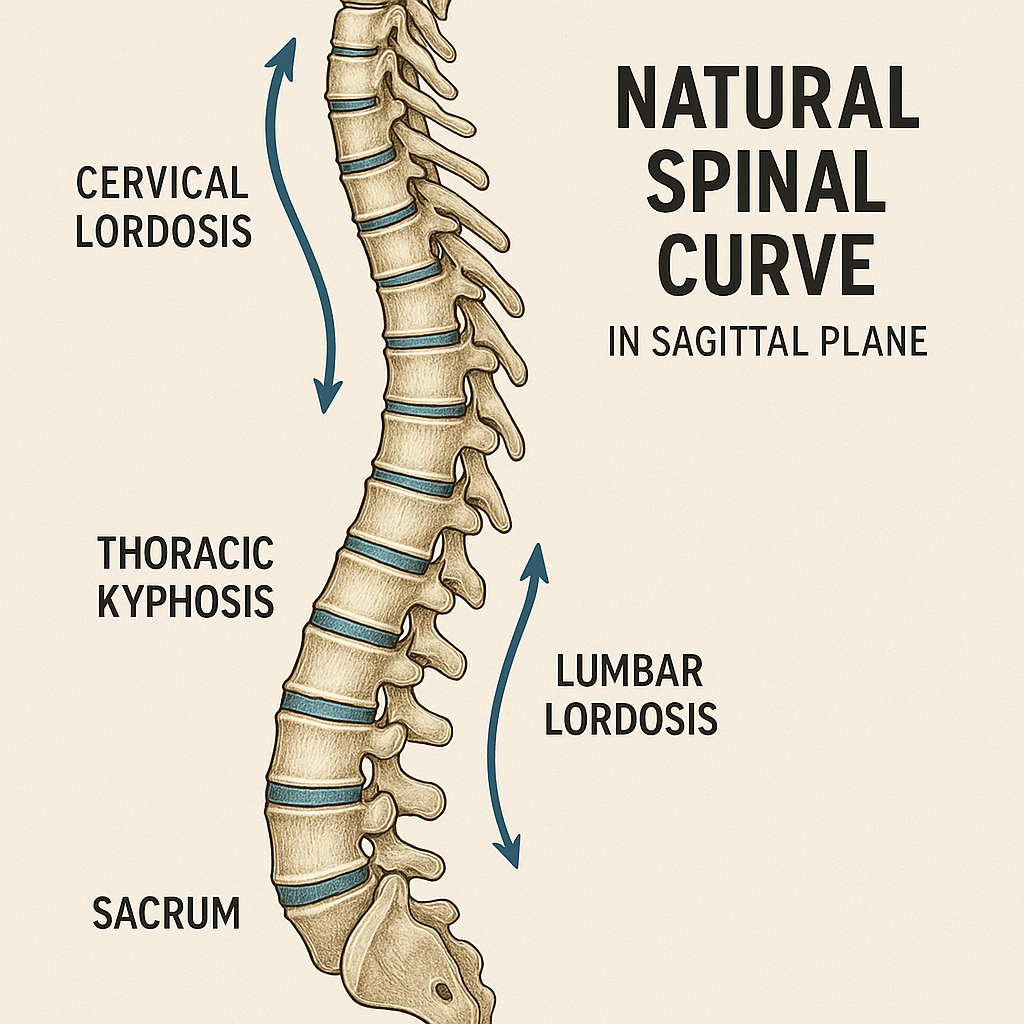
In truth, the spine is structurally equipped to absorb shocks. Its natural curves in the sagittal plane help it handle impact. Intervertebral joints also contribute to this efficiency. Additionally, a strong musculotendinous support system allows it to manage impact far more efficiently than we give it credit for.
Exercise Is a Protective Factor
Recent research confirms what have been long observed in clinical practice:
Physically active adolescents with scoliosis tend to experience less curve progression and respond more positively to physical rehabilitation.
This makes sense. Sports promote postural control, muscular balance, and spinal reflexes—many of the same goals targeted by scoliosis-specific exercise programs. While sports alone can’t replace structured physical rehabilitation, they complement it in powerful, practical ways.
What Does Increase the Risk of Curve Progression?
The main driver of scoliosis progression, especially during growth spurts, is asymmetrical spinal loading. This phenomenon—described by Stokes’ vicious cycle—results in uneven vertebral growth in predisposed children and teens.
This is why early intervention matters. Bracing and targeted exercises can counteract this asymmetry and redirect spinal development along a healthier path.
Choosing the Right Sport
Here’s what I tell my patients:
- Choose what you love: Motivation and enjoyment go a long way toward consistency.
- Asymmetrical sports aren’t off-limits: Tennis and similar sports can still be beneficial when balanced with corrective exercises.
- Every case is unique: Speak with a scoliosis-trained specialist to tailor activities to your curve pattern and treatment plan.
Can I Play Sports While Wearing a Brace?
A large prospective study on adolescents wearing a full-time TLSO brace found significant results. Regular sports activity significantly increased the odds of curve improvement. The odds were especially higher when the activity was done frequently. In fact, patients who played sports regularly were more likely to reduce their Cobb angle by ≥5° over 18 months.
Brace wear didn’t limit physical activity—nearly half of patients stayed active throughout treatment.
While the study couldn’t pinpoint which sports were most beneficial due to variability (many played multiple sports or changed over time), the key takeaway is clear:
More movement (while wearing brace) = better outcomes.
Even with a full-time brace, sports can be safely encouraged. Participation is beneficial not just for mental health and social well-being but also as a meaningful part of treatment. Just make sure to consult your specialist for personalized guidance.
Let’s Redefine the Role of Sport
Sport should be a source of confidence, resilience, and joy—not anxiety.
With professional guidance, physical activity can become a crucial part of scoliosis management. It helps young people stay mentally strong. It also helps them remain physically strong throughout their treatment journey.
You’re running a track, vaulting off a horse, or stretching at dance practice. You are doing more than just moving—you’re healing.
Reference:
Adapted from:
ISICO. “Is scoliosis harmed by high-impact sports?” Retrieved from https://www.isico.it/en/is-scoliosis-harmed-by-high-impact-sports/
Zaina F, Donzelli S, Lusini M, Negrini A, Negrini S. Sports activity reduces scoliosis progression in adolescents with idiopathic scoliosis treated with a brace: a prospective study. Eur Spine J. 2023 Apr;32(4):1050–1058.
PubMed PMID: 36083351


 Ask Dr. James