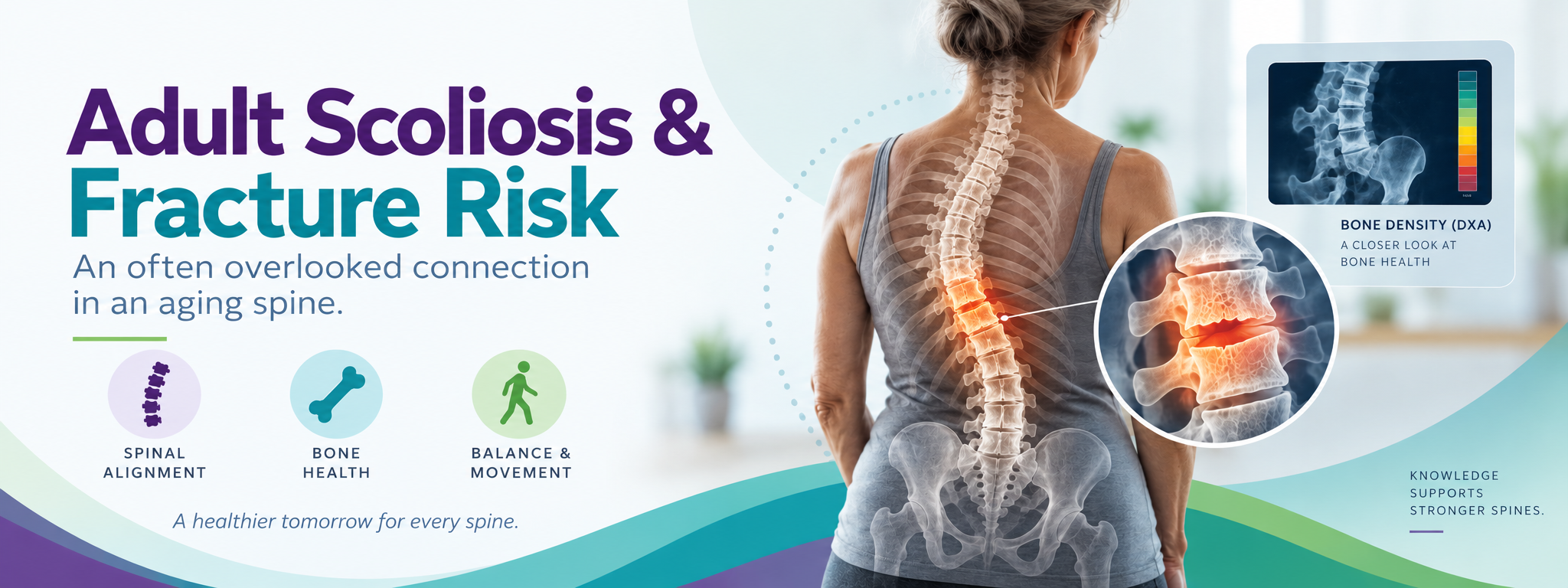
When we think about fracture risk as we age, osteoporosis and weaker bones are usually the first things that come to mind.
For adults with scoliosis, bone strength is only part of the story.
Changes in the shape and alignment of the spine can affect posture, balance and one’s ability to move. These changes become important with age, especially because bone strength also decreases.
Research shows an important connection between adult scoliosis, bone health and fracture risk. An aging spine involves more than simply monitoring the curve.¹
What Happens to Scoliosis as We Age?
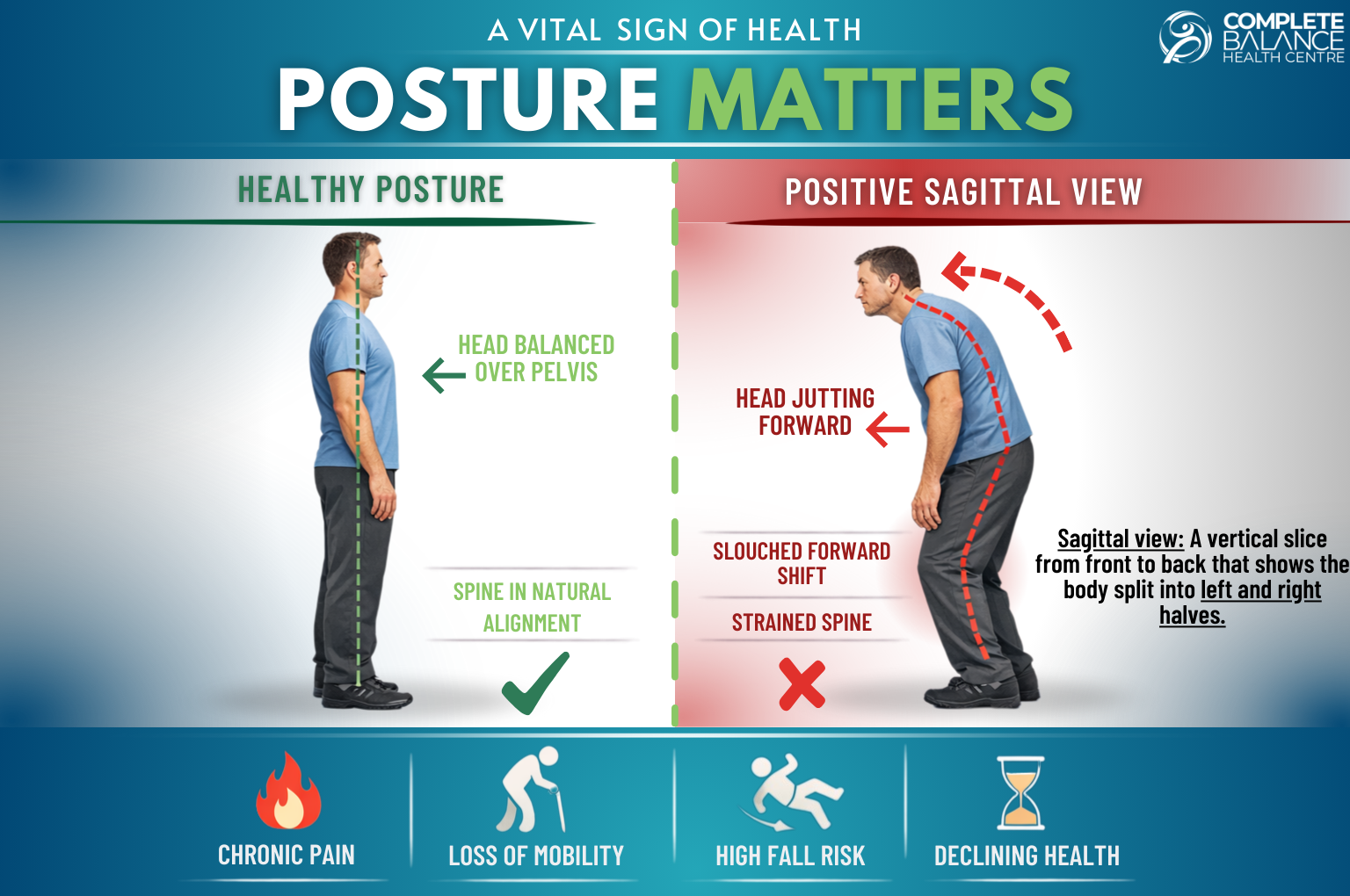
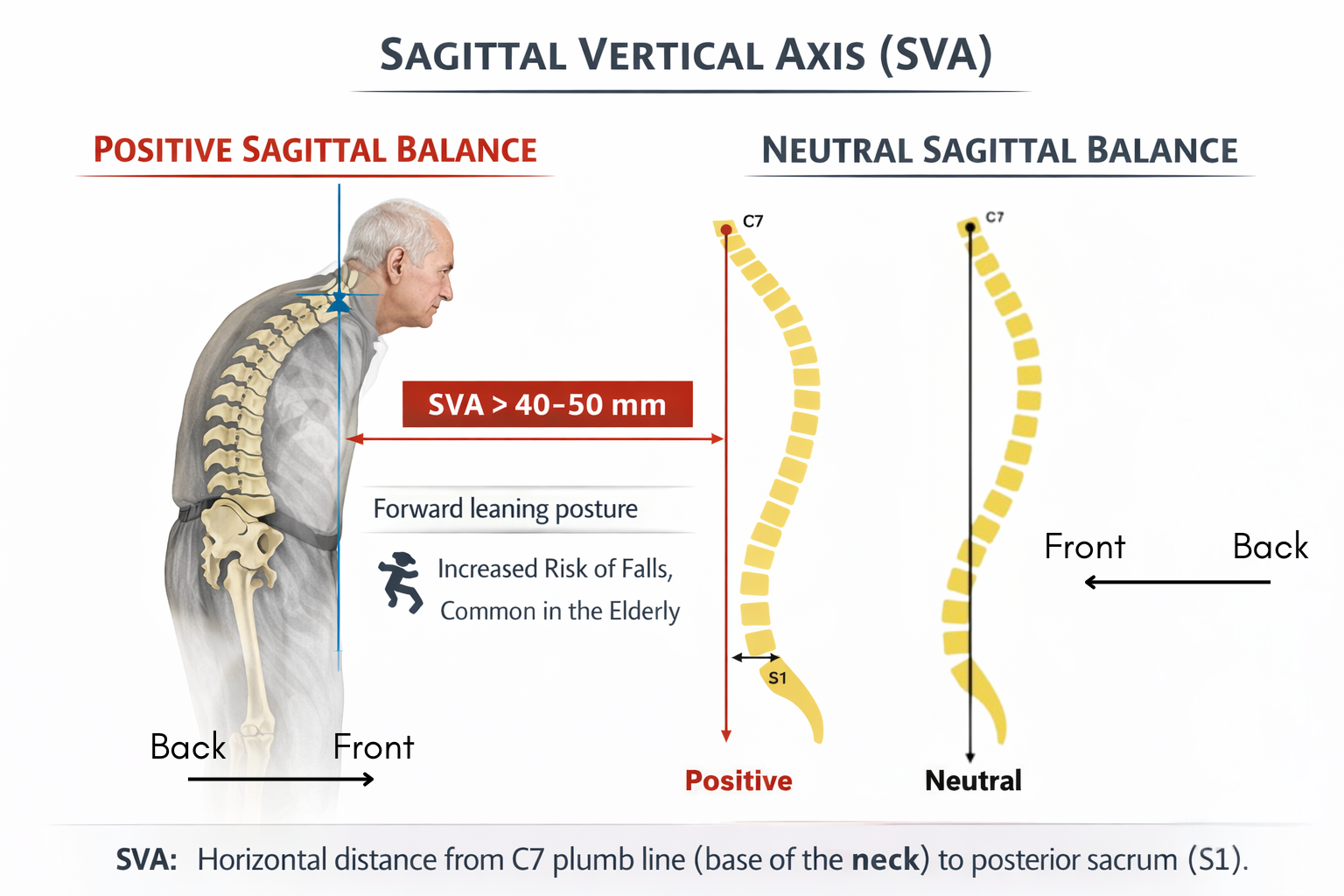
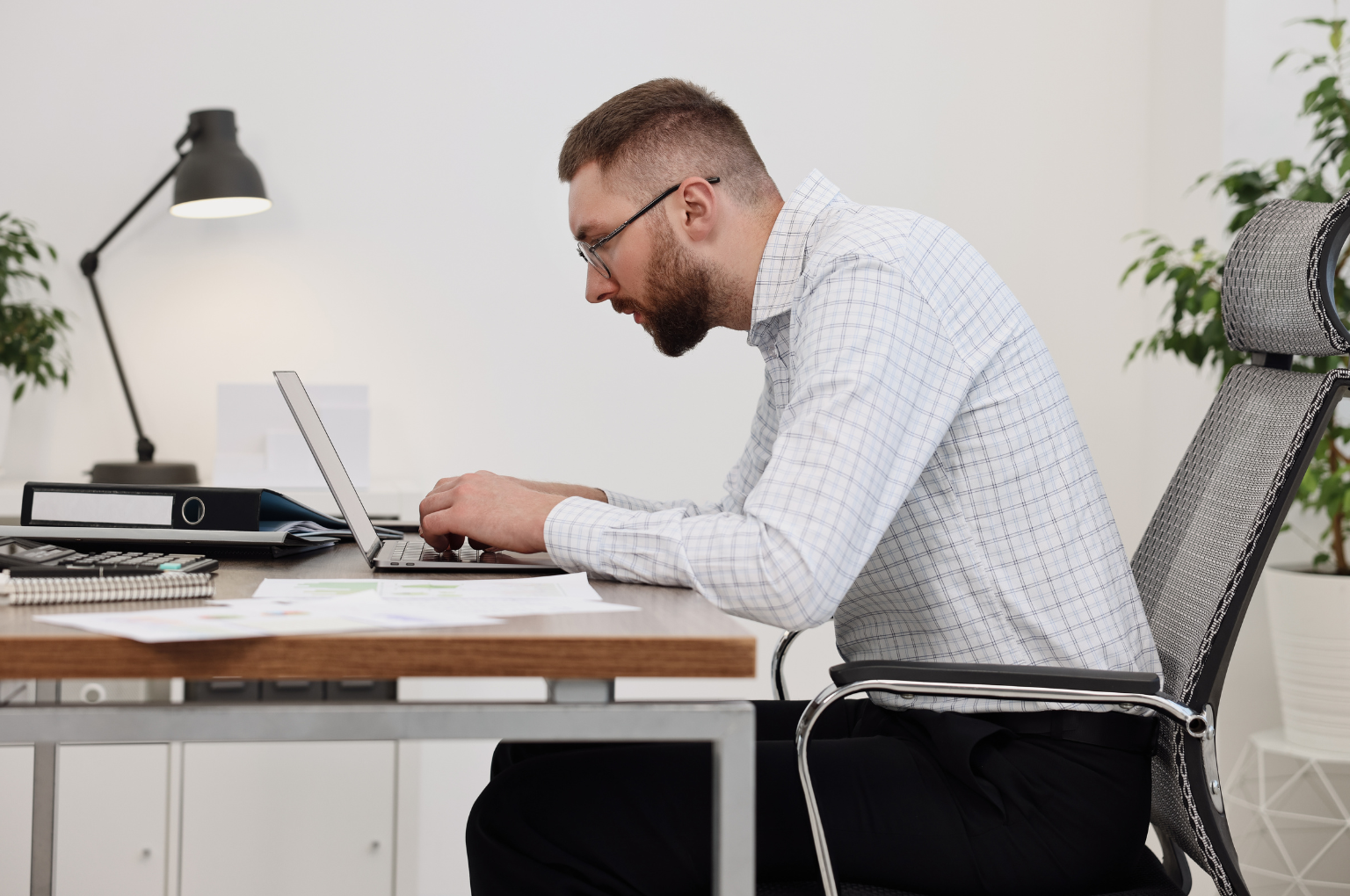
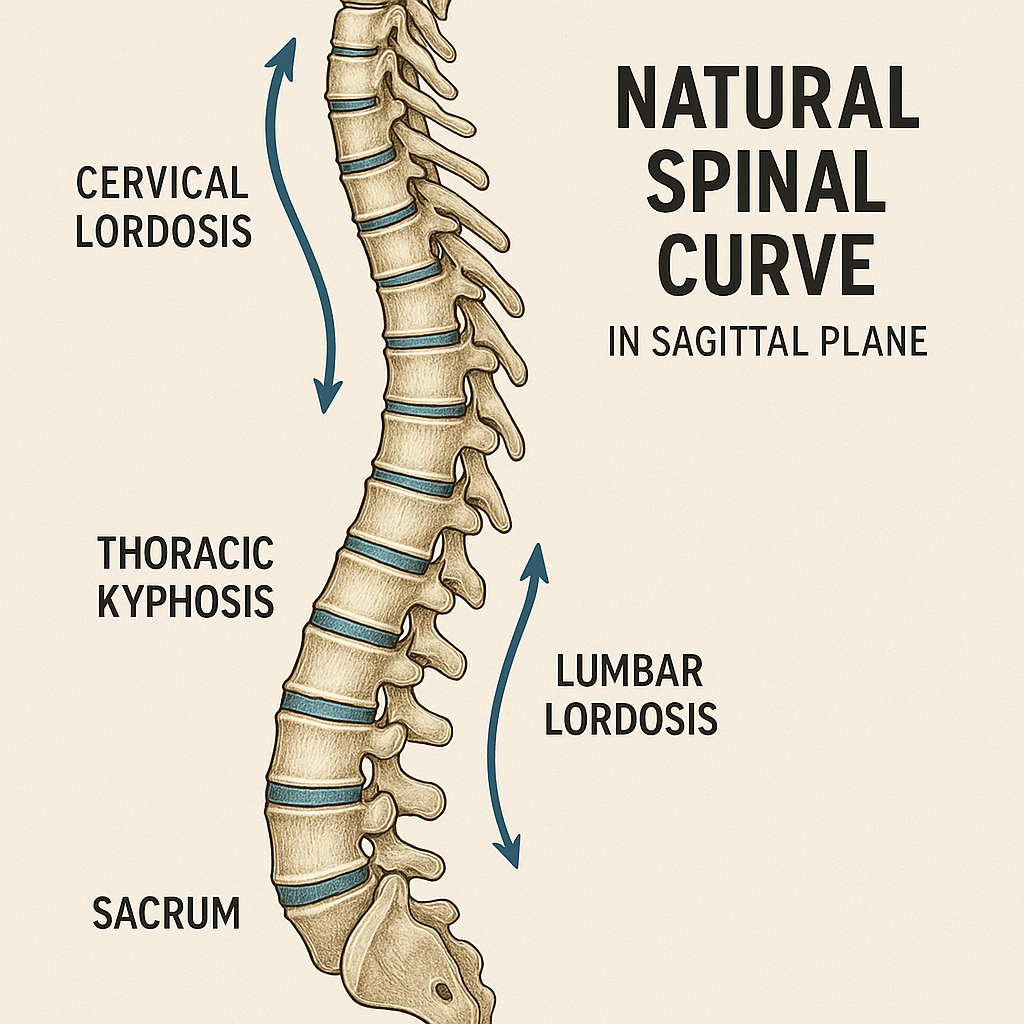
Adult scoliosis may be a continuation of adolescent scoliosis or develop later in life as de novo degenerative scoliosis, resulting from changes in the discs, joints and other spinal structures. As scoliosis changes with age, loss of normal spinal alignment may lead to a more forward-leaning posture and shift the body’s centre of gravity, affecting balance and potentially increasing the risk of falls.²
What Does Scoliosis Have to Do With Fractures?
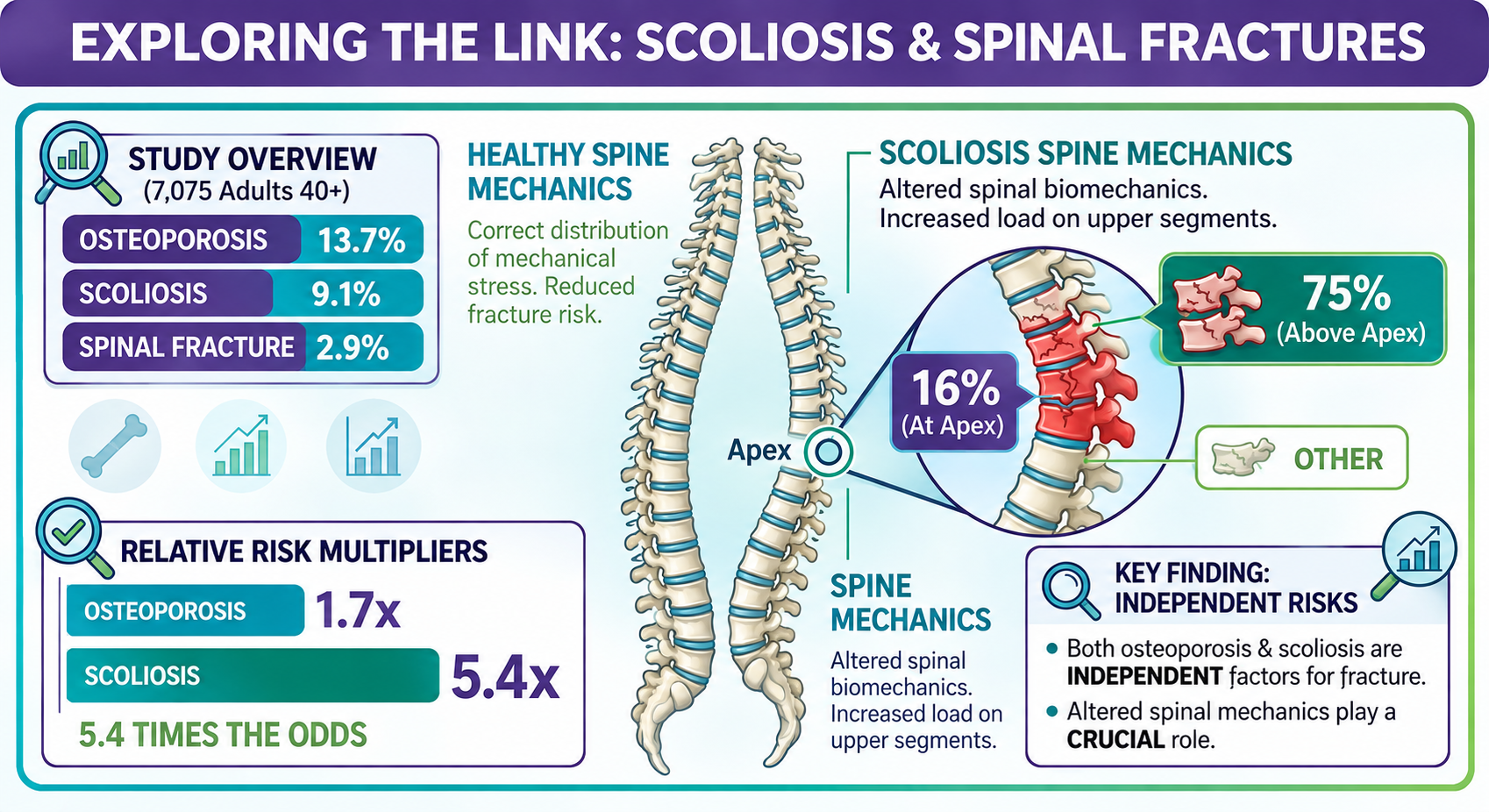
A recent study involving 7,075 adults aged 40 and older examined the relationship between scoliosis and spinal fractures.¹
Among the participants:
- 970 (13.7%) had osteoporosis
- 645 (9.1%) had scoliosis
- 202 (2.9%) had a spinal fracture
Of the 202 participants with spinal fractures, 67, approximately one-third, also had scoliosis.¹
Even after accounting for several other factors, both osteoporosis and scoliosis remained independently associated with spinal fracture.
Osteoporosis was associated with approximately 1.7 times the odds of spinal fracture, while scoliosis was associated with approximately 5.4 times the odds.¹
Interestingly, about 75% of spinal fractures in people with scoliosis occurred above the apex of the curve, with another 16% occurring at the apex itself.¹
This raises the question of whether altered spinal mechanics may influence where fractures occur.
An Important Note About These Numbers
These findings do not mean that someone with scoliosis is automatically 5.4 times more likely to sustain a future fracture.
The study found an association between scoliosis and spinal fractures, suggesting that scoliosis, bone health and fracture risk may be more closely connected than previously recognized. However, it does not prove that scoliosis causes fractures.¹
Why Might Spinal Alignment and Balance Matter?
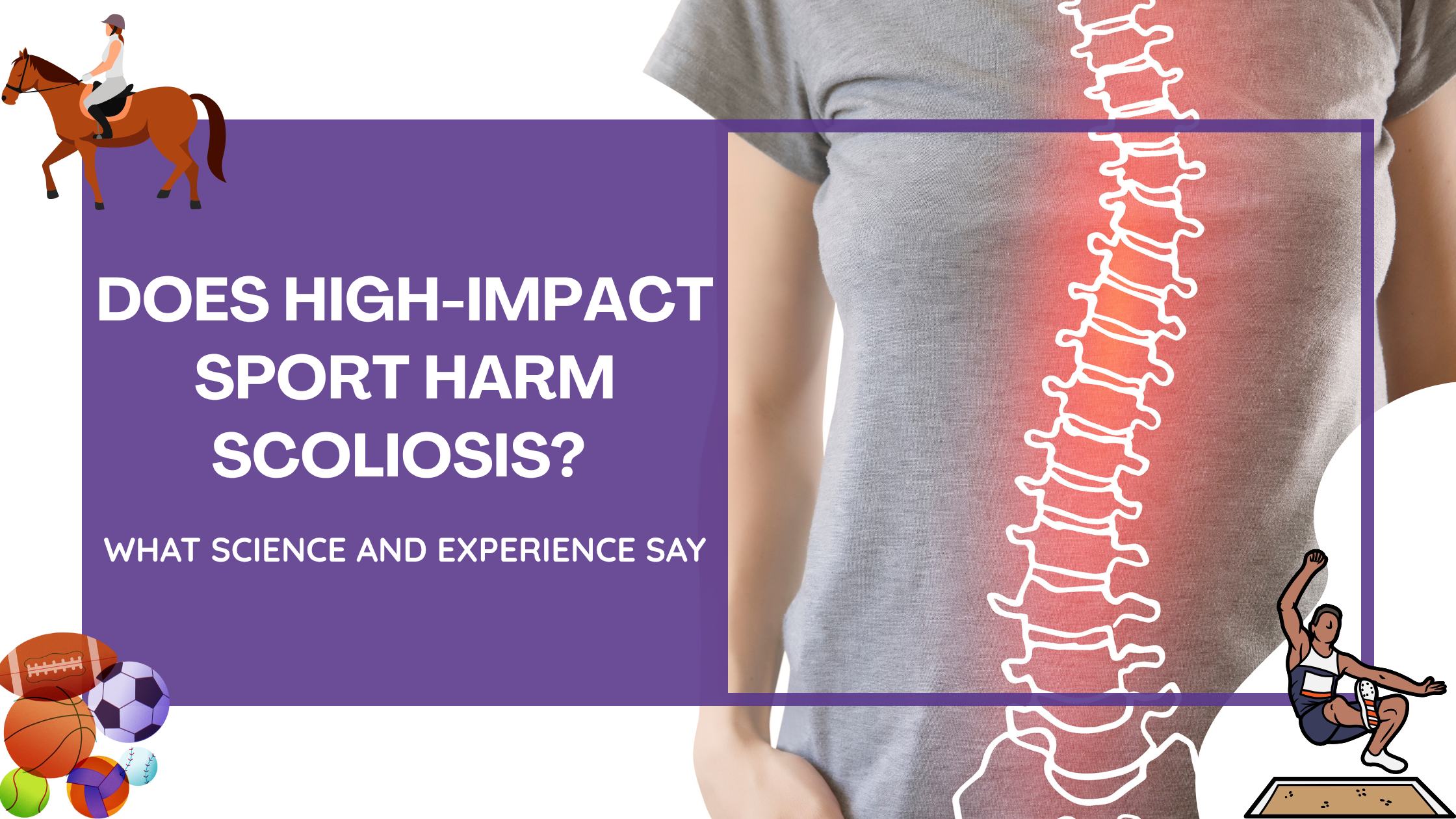
Scoliosis changes how forces are distributed through the spine. Combined with reduced bone strength from osteoporosis, certain vertebrae may be more vulnerable to fracture.
Balance may also play a role. A 2026 systematic review of 22 studies found that adults with spinal deformity performed worse across several measures of balance than those without spinal deformity.²
In 2026, the Scoliosis Research Society Adult Spinal Deformity Task Force also highlighted osteoporosis and bone health as important considerations in adults with spinal deformity.³
What About Bone Density Testing?
Scoliosis and osteoporosis are different conditions, although they can occur together.
Having scoliosis does not automatically mean you have osteoporosis. However, as we age, bone health becomes an increasingly important consideration—particularly for adults with scoliosis who have additional risk factors for osteoporosis or fracture.
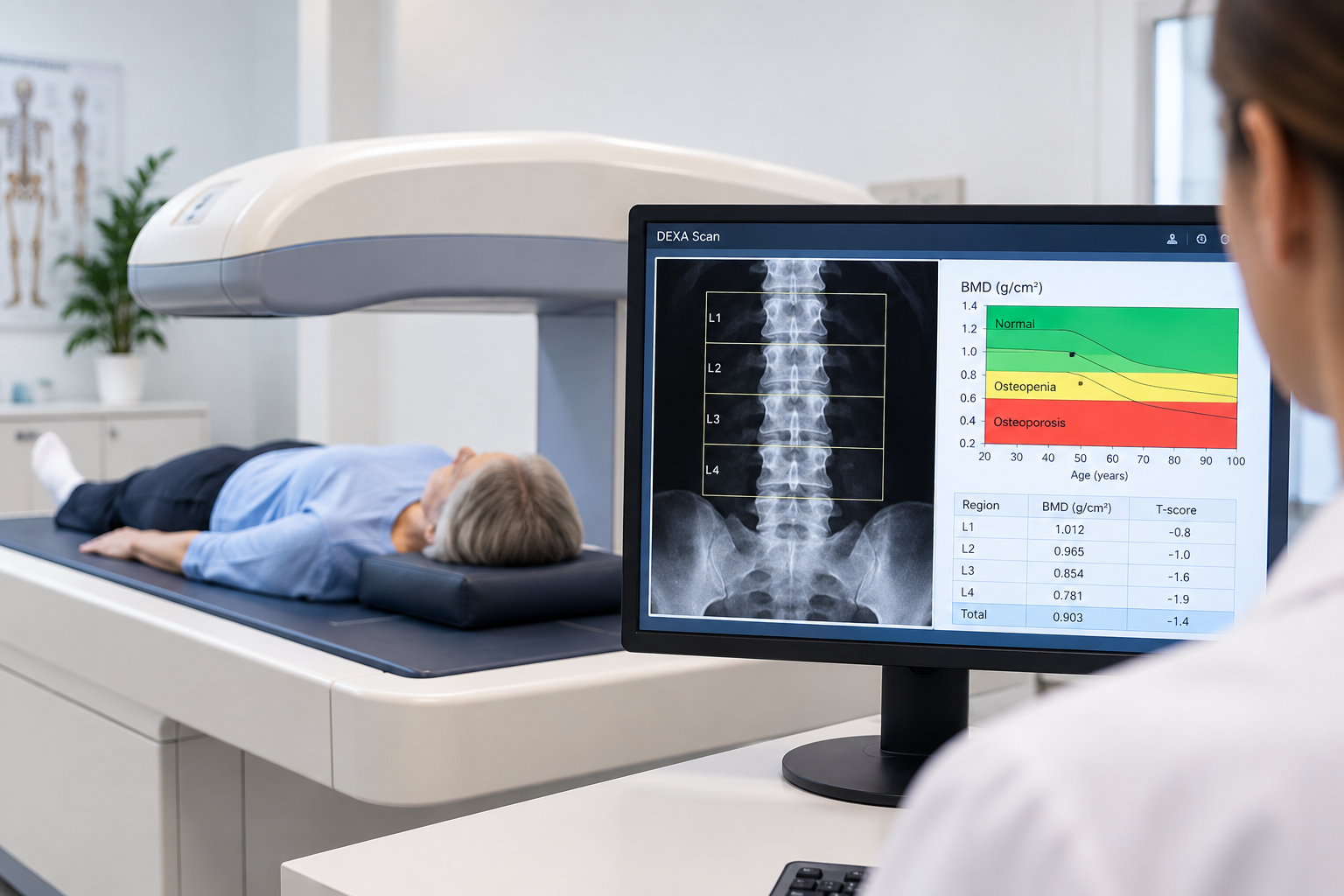
A bone mineral density (BMD) test, often called a DXA or DEXA scan, can help identify low bone density or osteoporosis.
If you have adult scoliosis, particularly as you get older, talk with your healthcare provider about whether bone-density testing is appropriate for you.
What Changes Should Adults With Scoliosis Watch For?
Changes worth discussing with your healthcare provider include:
- Increasing difficulty standing upright
- A noticeable increase in forward-leaning posture
- New or worsening back pain
- Loss of height
- Changes in walking
- Increased difficulty using stairs
- Feeling less steady while standing or walking
- Repeated falls or near-falls
- Sudden significant spinal pain
New or significant back pain following even relatively minor trauma may require medical assessment, particularly in someone with osteoporosis or other risk factors for fragility fractures.
Exercise Matters — Especially Strength and Balance
The 2023 Osteoporosis Canada Guideline strongly recommends balance and functional training at least twice per week for postmenopausal females and males aged 50 and older.⁴
The guideline found that balance and functional exercise reduced the rate of falls by approximately 24% and also recommends progressive resistance training at least twice per week, including back and abdominal strengthening.⁴
For someone with scoliosis, exercise needs to be individualized based on factors such as:
- Curve location and severity
- Overall spinal alignment
- Pain
- Previous fractures
- Bone density
- Balance
- Muscle strength
- Neurological symptoms
- Other medical conditions
This is why working with a scoliosis therapist trained in scoliosis-specific exercise can be valuable because these exercises consider the three-dimensional nature of the spinal curve.
Don’t Just Monitor the Curve
Research suggests that adult scoliosis may be associated with an increased risk of spinal fractures.¹ Adults with spinal deformity may also have impaired balance,² while osteoporosis and reduced bone strength can further increase fracture risk.³
For adults with scoliosis, monitoring shouldn’t be limited to: “How large is my curve?”
As we age, it is also important to consider:
- How strong are my bones?
- Has my posture changed?
- How well am I moving?
- Has my balance changed?
- Am I maintaining my strength?
- Have I experienced falls or near-falls?
References
- Osteoporotic Patients with Thoracolumbar Scoliosis Are at Higher Risk for Developing Thoracolumbar Spinal Fractures: A 7,000 Patient Population Cross-Sectional Study. Observational cross-sectional study of 7,075 adults aged ≥40 years undergoing DEXA scanning. PMID: 41347249.
- Oakley PA, Power CR, Gage WH, Mochizuki G. Balance control in adult spinal deformity: systematic review of the literature. Clinical Biomechanics. 2026;136:106830. doi:10.1016/j.clinbiomech.2026.106830.
- Lord E, Vincent M, Walker CT, et al.; Scoliosis Research Society Adult Spinal Deformity Task Force Senescence Committee. Osteoporosis and adult spinal deformity—a review for spinal surgeons by the SRS adult spinal deformity task force on senescence. Spine Deformity. Published April 28, 2026. doi:10.1007/s43390-026-01342-w.
- Morin SN, Feldman S, Funnell L, et al.; Osteoporosis Canada 2023 Guideline Update Group. Clinical practice guideline for management of osteoporosis and fracture prevention in Canada: 2023 update. CMAJ. 2023;195(39). doi:10.1503/cmaj.221647.
This article is intended for educational purposes only and does not replace individualized medical assessment, diagnosis or treatment.