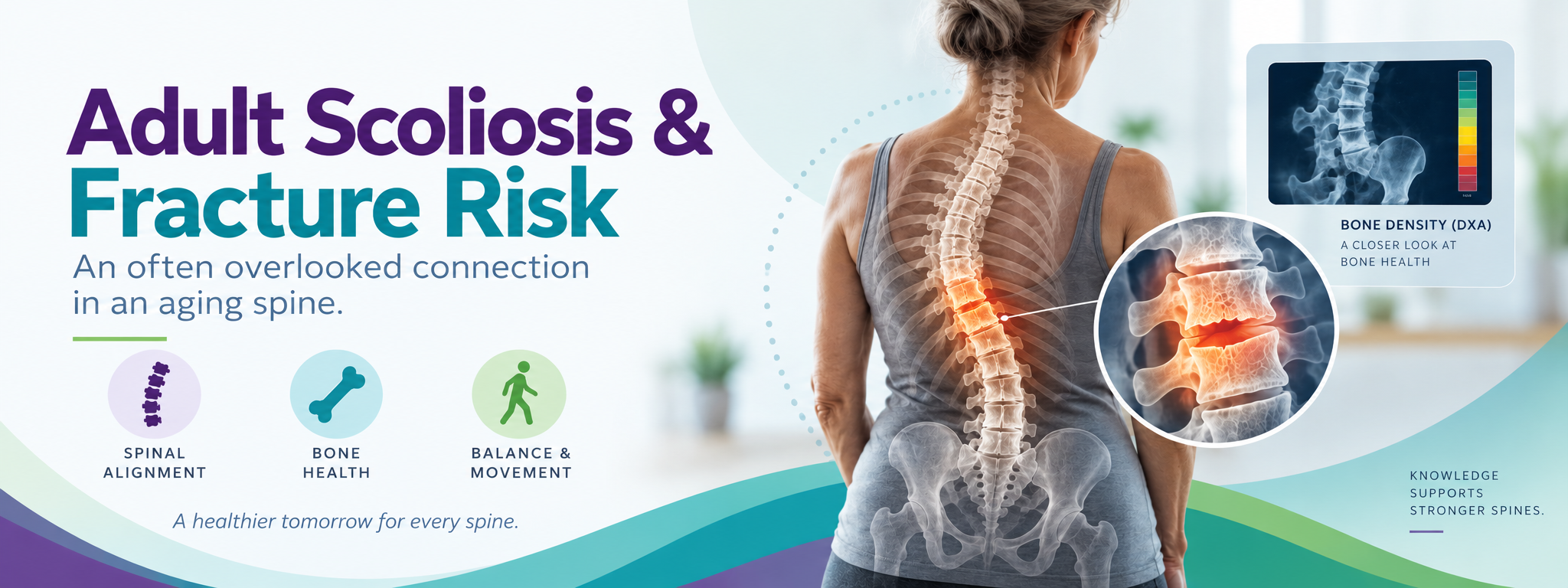
Scoliosis and Menopause: Understanding the Connection

Scoliosis is a sideways curvature of the spine, which is often associated with adolescence. However, research has increasingly shown a significant link between scoliosis and menopause, particularly in older women. The hormonal changes that occur during and after menopause can directly influence spinal health. These changes can potentially lead to the development or worsening of a spinal curve.

The Role of Estrogen and Bone Health

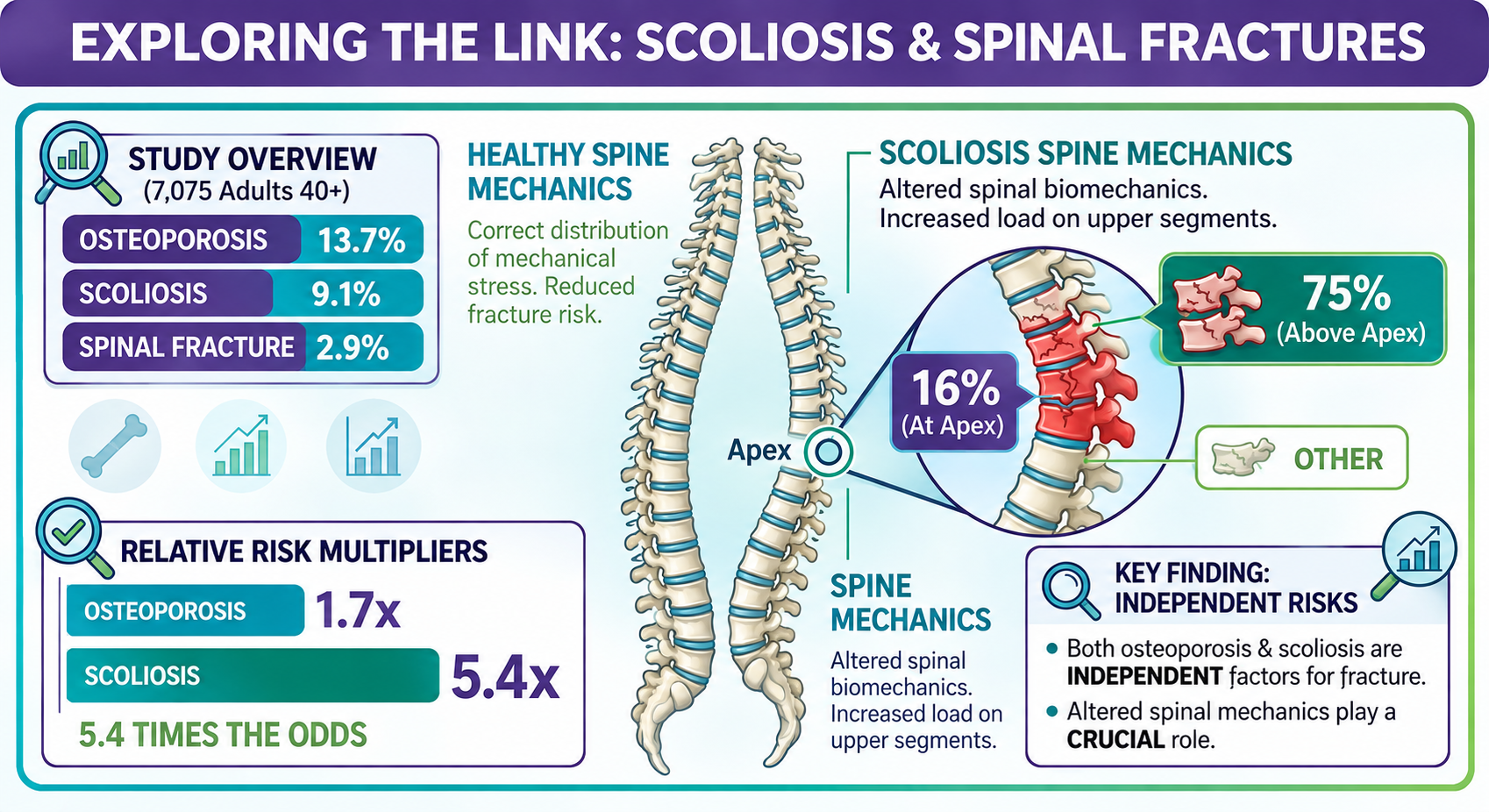
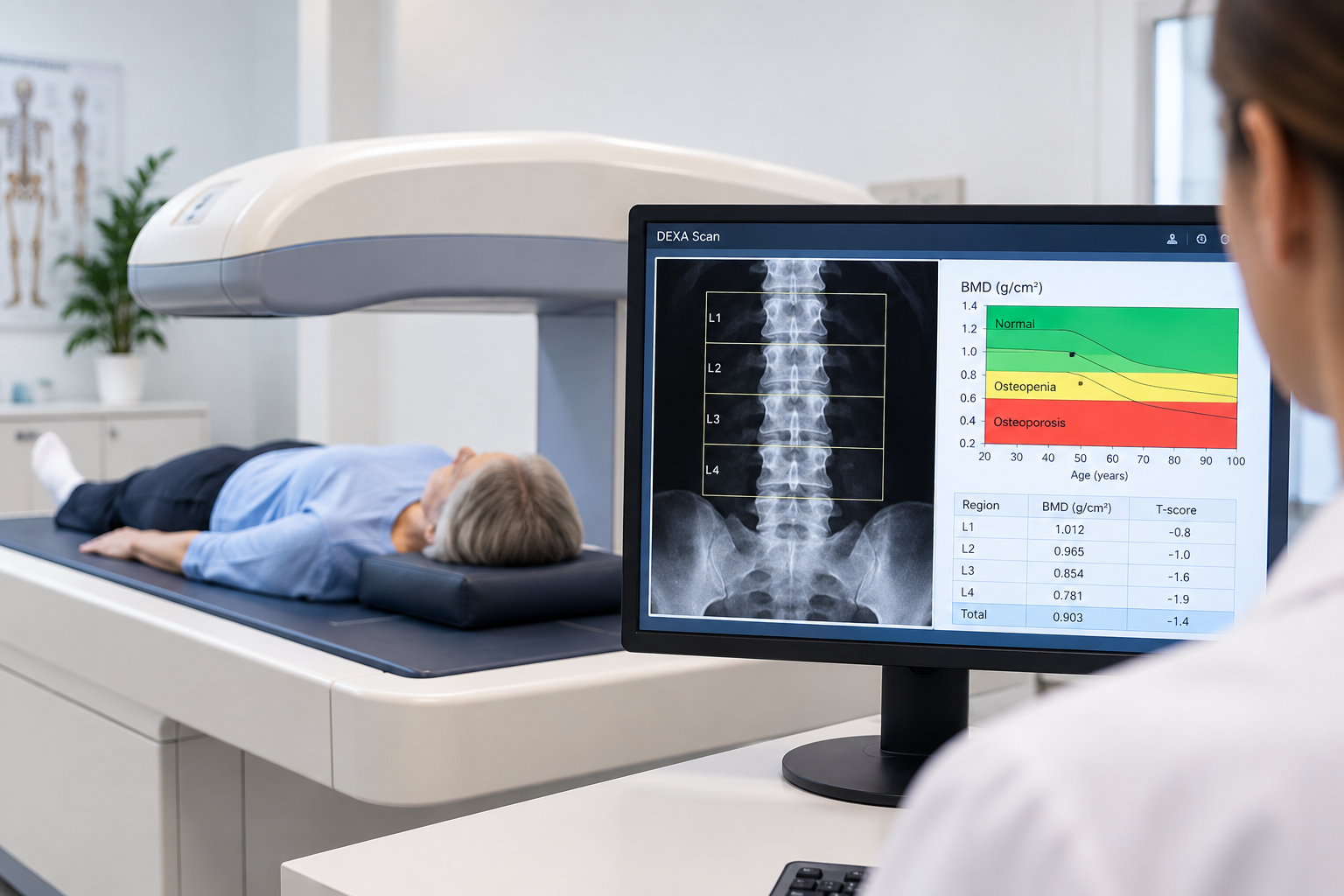
Menopause is marked by a significant decline in estrogen levels. While estrogen is a key reproductive hormone, it also plays a crucial role in maintaining bone density. The reduction of estrogen leads to accelerated bone loss, a condition known as osteoporosis.1 This weakening of the bones is the primary reason for the connection between menopause and scoliosis.

The spine’s structural integrity depends on strong, dense bones. When the vertebrae become porous and brittle due to osteoporosis, they are less able to support the body’s weight and resist gravitational forces. 2This can compromise spinal strength and lead to the development of a de novo scoliosis (adult-onset degenerative scoliosis) or cause an existing, previously mild curve to progress.

Research Spotlight: A Deeper Look at the Data

Recent studies have provided compelling evidence for the link between menopause and scoliosis.

  • Prevalence: Research indicates that the prevalence of scoliosis significantly increases in postmenopausal women. In fact, the prevalence of clinically significant scoliosis rose from 11.5% in the youngest postmenopausal group to 27.3% among women aged 74–78, and reached 39.4% in those aged 84–88.3
  • Hormonal Influence: A key factor in adult-onset scoliosis is low bone mineral density, which often results from the decline in estrogen during and after menopause. 1 As bones weaken, the spine becomes more vulnerable to asymmetric forces, leading to a gradual, progressive curvature. This type of curve most often develops in the lumbar (lower back) region.
  • Progression: Women with mild adolescent idiopathic scoliosis may experience rapid bone loss during the postmenopausal years. This can worsen the curve, leading to increased pain and functional limitations.3

These findings underscore the importance of considering spinal health as an integral part of women’s health during and after the menopausal transition.

Clinical Manifestations

Symptoms of adult-onset scoliosis often include:

  • Persistent back pain
  • Noticeable change in posture
  • A sensation of leaning to one side
  • In severe cases, nerve compression leading to numbness or weakness in the legs

Management Strategies

Managing scoliosis during and after menopause requires a multidisciplinary approach:

  • Bone Health: Prioritize bone density through a nutrient-rich diet (including calcium, vitamin D, and vitamin K2) and, when necessary, medications for osteoporosis.6
  • Exercise Therapy: Postural exercises and scoliosis-specific therapeutic exercises with a qualified therapist to strengthen core muscles, improve flexibility, and maintain spinal alignment.
  • Naturopathic Care: Approaches that support hormonal balance and overall wellness can complement medical treatment.
  • Surgical Intervention: Reserved for severe, progressive cases that significantly impact quality of life and do not respond to conservative treatment.

A Note on Gender Differences

Scoliosis shows a striking difference in prevalence between men and women:

  • In adolescence, the female-to-male ratio ranges from 1.5:1 to 3:1 and increases significantly with increasing age.7
  • In adulthood, this gap becomes even more pronounced with de novo scoliosis (adult-onset scoliosis). Approximately 34% of women are affected compared to 22% of men. Age also plays a significant role. Scoliosis is observed in approximately 10% of adults under 60. This increases to nearly 29% in those over 60.8

Conclusion

The connection between scoliosis and menopause highlights the importance of recognizing spinal health as a key part of women’s overall well-being during midlife and beyond. As estrogen levels decline and bone health becomes more vulnerable, the risk of developing or worsening scoliosis increases significantly.

By prioritizing bone strength, embracing a multidisciplinary approach to management, and seeking care tailored to hormonal and musculoskeletal changes, women can protect their mobility and quality of life. Recognizing this connection empowers women to embrace healthy lifestyle choices and targeted exercises that strengthen the spine, supporting them to thrive through menopause and beyond.

References:

  1. Pouresmaeili, F., Kamalidehghan, B., Kamarehei, M., & Goh, Y. M. (2018). A comprehensive overview on osteoporosis and its risk factors. Therapeutics and Clinical Risk Management, 14, 2029–2049. https://doi.org/10.2147/TCRM.S138000 (PMCID: PMC6225907) ↩︎
  2. Sarioglu O, Gezer S, Sarioglu FC, Koremezli N, Kara T, Akcali O, Ozaksoy D, Balci A. Evaluation of vertebral bone mineral density in scoliosis by using quantitative computed tomography. Pol J Radiol. 2019 Feb 25;84:e131-e135. doi: 10.5114/pjr.2019.84060. PMID: 31019606; PMCID: PMC6479145. ↩︎
  3. Rubin J, Cleveland RJ, Padovano A, Hu D, Styner M, Sanders J. Lumbar Scoliosis in Postmenopausal Women Increases with Age but is not Associated with Osteoporosis. J Endocr Soc. 2021 Feb 15;5(5):bvab018. doi: 10.1210/jendso/bvab018. PMID: 33855252; PMCID: PMC8023369. ↩︎
  4. Pouresmaeili, F., Kamalidehghan, B., Kamarehei, M., & Goh, Y. M. (2018). A comprehensive overview on osteoporosis and its risk factors. Therapeutics and Clinical Risk Management, 14, 2029–2049. https://doi.org/10.2147/TCRM.S138000 (PMCID: PMC6225907) ↩︎
  5. Rubin J, Cleveland RJ, Padovano A, Hu D, Styner M, Sanders J. Lumbar Scoliosis in Postmenopausal Women Increases with Age but is not Associated with Osteoporosis. J Endocr Soc. 2021 Feb 15;5(5):bvab018. doi: 10.1210/jendso/bvab018. PMID: 33855252; PMCID: PMC8023369. ↩︎
  6. Jiang, M., Li, G., Yang, K., & Tao, L. (2025). Role of vitamins in the development and treatment of osteoporosis (Review). International Journal of Molecular Medicine, 56, 109. https://doi.org/10.3892/ijmm.2025.5550 ↩︎
  7. Konieczny, M. R., Senyurt, H., & Krauspe, R. (2013). Epidemiology of adolescent idiopathic scoliosis. Journal of Children’s Orthopaedics, 7(1), 3–9. https://doi.org/10.1007/s11832‑012‑0457‑4 (PMCID: PMC3566258)
    ↩︎
  8. McAviney, J., Roberts, C., Sullivan, B., et al. (2020). The prevalence of adult de novo scoliosis: A systematic review and meta-analysis. European Spine Journal, 29, 2960–2969. https://doi.org/10.1007/s00586-020-06453-0 ↩︎
Posted in Bone Health, Scoliosis, Spine Health | Tagged , , , , , , , , , , , , | Leave a comment

Back Pain in Adults with Scoliosis vs. Adults Without Scoliosis: A Comprehensive Look

Back pain is a common issue that affects a significant portion of the adult population. However, the experience of pain can vary greatly depending on whether or not an individual has scoliosis. Understanding the differences between pain in adults with scoliosis and those without the condition is key to effective treatment and management. Here, we delve into the nuances of pain for both groups and the approaches to managing it.

Prevalence of Back Pain: A Comparative Look

For adults without scoliosis, the statistics on back pain are concerning. It’s estimated that 60% to 80% of adults will experience back pain at some point in their lives. Of this group, approximately 20% to 30% will suffer from chronic back pain that lasts longer than three months[i]. This chronic pain often becomes a persistent issue that impacts daily life.

However, for adults with scoliosis, the prevalence of chronic back pain is even higher. Between 50% to 80% of adults with scoliosis will experience chronic pain at some stage. This increased rate is largely due to the long-term effects of scoliosis, which can lead to accelerated degenerative changes in the spine[ii]. Factors such as posture, activity levels, and the curvature itself contribute to the symptoms. Conditions like disc wear, arthritis, and nerve compression may also worsen the pain they experience.

Scoliosis and Asymmetrical Pain: The Key Difference

One of the defining features of scoliosis-related pain is its asymmetry. In individuals with scoliosis, pain is often localized at the apex of the curve in the spine. This is typically on the outer (convex) side of the spinal curve, where the muscles and ligaments are under increased tension. Over time, this tension can cause discomfort that may radiate to one leg, often localized to the front of the thigh. This particular pattern of pain is associated with rotational olisthesis—a condition where a vertebra slips or slides out of place.

In contrast, adults without scoliosis are more likely to experience sciatica, where the pain radiates down the back of the leg. The difference in pain location is notable: scoliosis patients tend to have pain localized to the anterior thigh, while non-scoliosis sufferers typically report pain running down the back of the leg[iii].

The location and type of scoliosis curve also play a role in the severity of the pain. Curves found in the lumbar and thoraco-lumbar regions of the spine tend to cause more intense discomfort than curves in the thoracic (mid-back) spine.

Managing Pain in Adults with scoliosis:

For adults with scoliosis, managing pain requires a personalized approach. Simply focusing on core strength exercises may not be enough to alleviate the discomfort caused by scoliosis. This is where scoliosis-specific therapeutic exercises—such as the SEAS (Scientific Exercise Approach to Scoliosis) method—can make a significant difference. These exercises are designed to specifically address the unique challenges of scoliosis and improve postural balance, function, and cosmetic appearance, all while reducing pain.

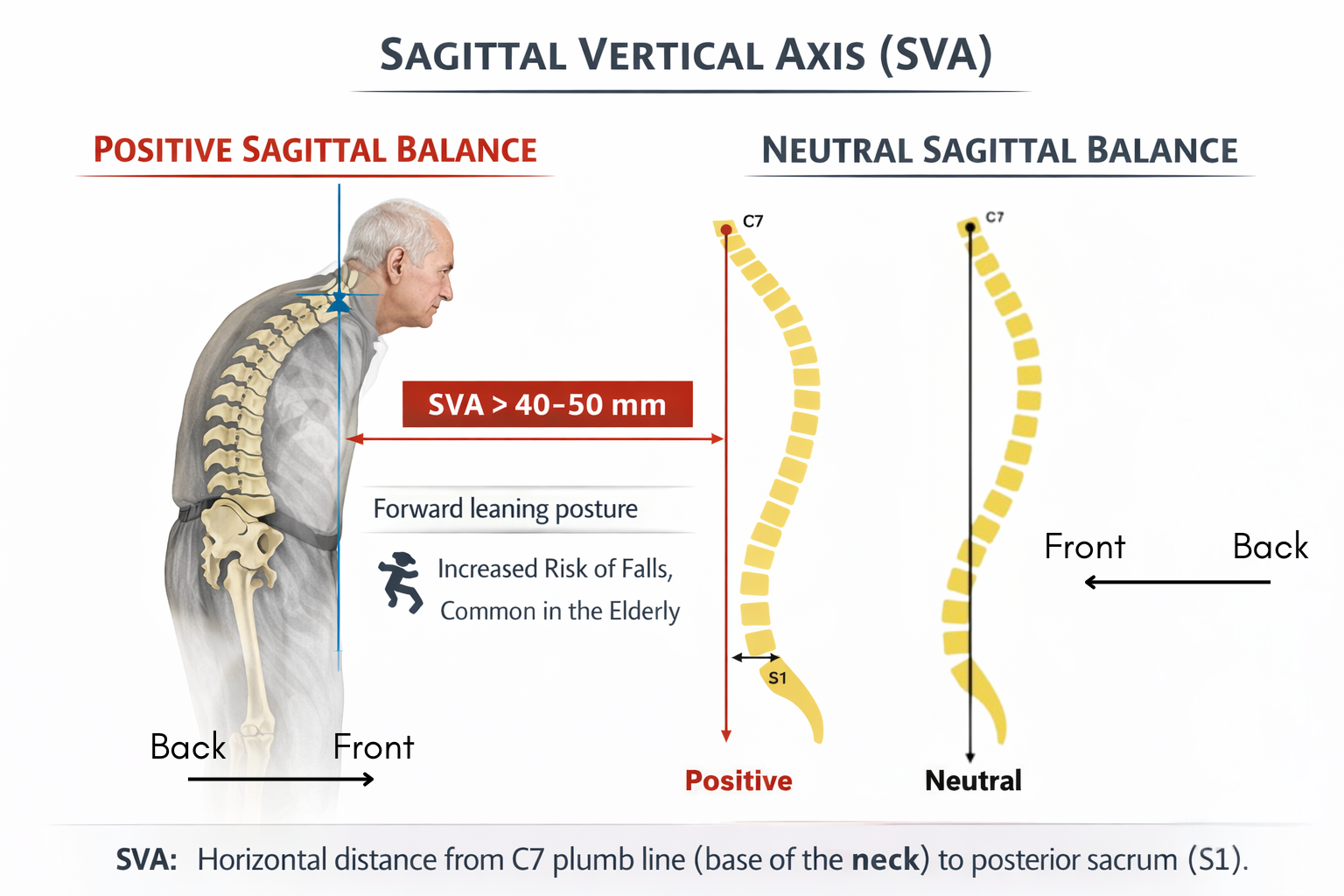
In contrast to traditional core strengthening routines, SEAS exercises are tailored to the specific imbalances caused by scoliosis, targeting areas of the spine asymmetrically. The goal is not necessarily to improve the Cobb angle (the angle of curvature in the spine) in adult, but to restore sagittal and coronal imbalance—two key factors that affect pain and quality of life in scoliosis patients.

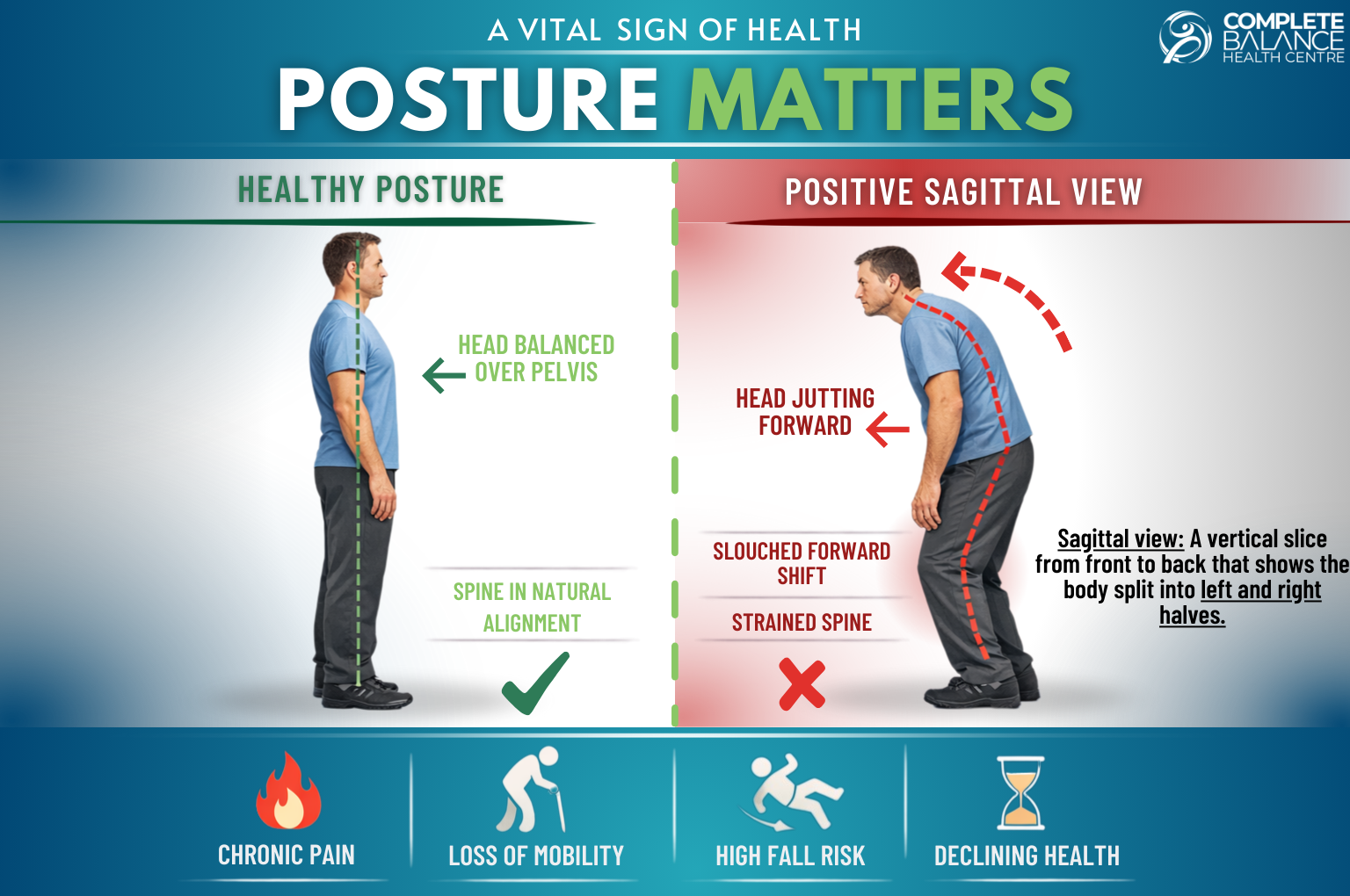
Sagittal imbalance, in particular, is a critical aspect of pain management. This imbalance occurs when the natural curve of the spine is disrupted, often leading to hyperkyphosis (excessive forward curvature) and increased pain. In fact, a positive anterior sagittal imbalance is closely correlated with significant pain, reduced physical function, and a lower quality of life. The greater the sagittal imbalance, the more predictable the pain and disability become.

For many adults with scoliosis, bracing can also be a useful tool. While bracing adult doesn’t necessarily correct the curvature of the spine, it can help to reduce pain and improve overall posture, leading to better outcomes in the long run.

The Importance of Raising Awareness

Scoliosis is often overlooked in discussions of chronic back pain, yet it plays a significant role in the pain experienced by many adults. It’s important to raise awareness of how scoliosis can impact pain and to ensure that individuals with this condition receive the care they need. Whether through scoliosis-specific exercises, bracing, or other therapeutic approaches, the goal should always be to restore balance, reduce pain, and improve the quality of life for individuals living with scoliosis.

The Need for Tailored Approaches

While back pain is a common issue for many adults, the experience is markedly different for those with scoliosis. The asymmetrical pain, often accompanied by anterior thigh pain, and the increased likelihood of degenerative changes in the spine, make managing scoliosis-related pain a unique challenge. However, with the right interventions—ranging from therapeutic exercises to bracing—adults with scoliosis can experience relief and improve their quality of life.


[i] Hoy, D., Bain, C., Williams, G., et al. (2012). “A systematic review of the global prevalence of low back pain.” Arthritis & Rheumatism, 64(6), 2028-2037.

[ii] Weinstein, S. L., Dolan, L. A., Wright, J. G., et al. (2003). “Effects of scoliosis and its treatment on the health of adults.” JAMA, 289(5), 615-622.

[iii] Zaina, Fabio, Rosemary Marchese, Sabrina Donzelli, Claudio Cordani, Carmelo Pulici, Jeb McAviney, and Stefano Negrini. 2023. “Current Knowledge on the Different Characteristics of Back Pain in Adults with and without Scoliosis: A Systematic Review” Journal of Clinical Medicine 12, no. 16: 5182. https://doi.org/10.3390/jcm12165182

Posted in Bone Health, Musculoskeletal, Orthopaedics, Scoliosis, Spine Health | Tagged , , , , , , , , , , , | Leave a comment

Does High-Impact Sport Harm Scoliosis? What Science and Experience Say

Parents, coaches, and even the young athletes I treat often ask me questions. One of the most frequent questions is:
“Will sports—especially high-impact ones—make scoliosis worse?”
“Should activities like jumping, running, or horseback riding be avoided with a brace?”

These concerns are completely valid. But what if I told you that, in many cases, these activities actually support—not hinder—a scoliosis treatment plan?

Yes, You Can Be Active With Scoliosis

Let’s start with a powerful example.

At ISICO, a leading international scoliosis institute, patients take part in the Concorsetto—a creative competition. Here, brace-wearing individuals share stories of how they continue engaging in their favourite activities. These activities range from dancing and rhythmic gymnastics to skating and horseback riding. Their message is clear:

Scoliosis doesn’t mean saying goodbye to sports.

But What About High-Impact Sports?

High-impact activities like horse riding, long jumping, and sprinting often raise red flags. This is due to the perceived strain on the spine. Many imagine that repetitive shocks will compress or twist an already curving spine, possibly accelerating progression.

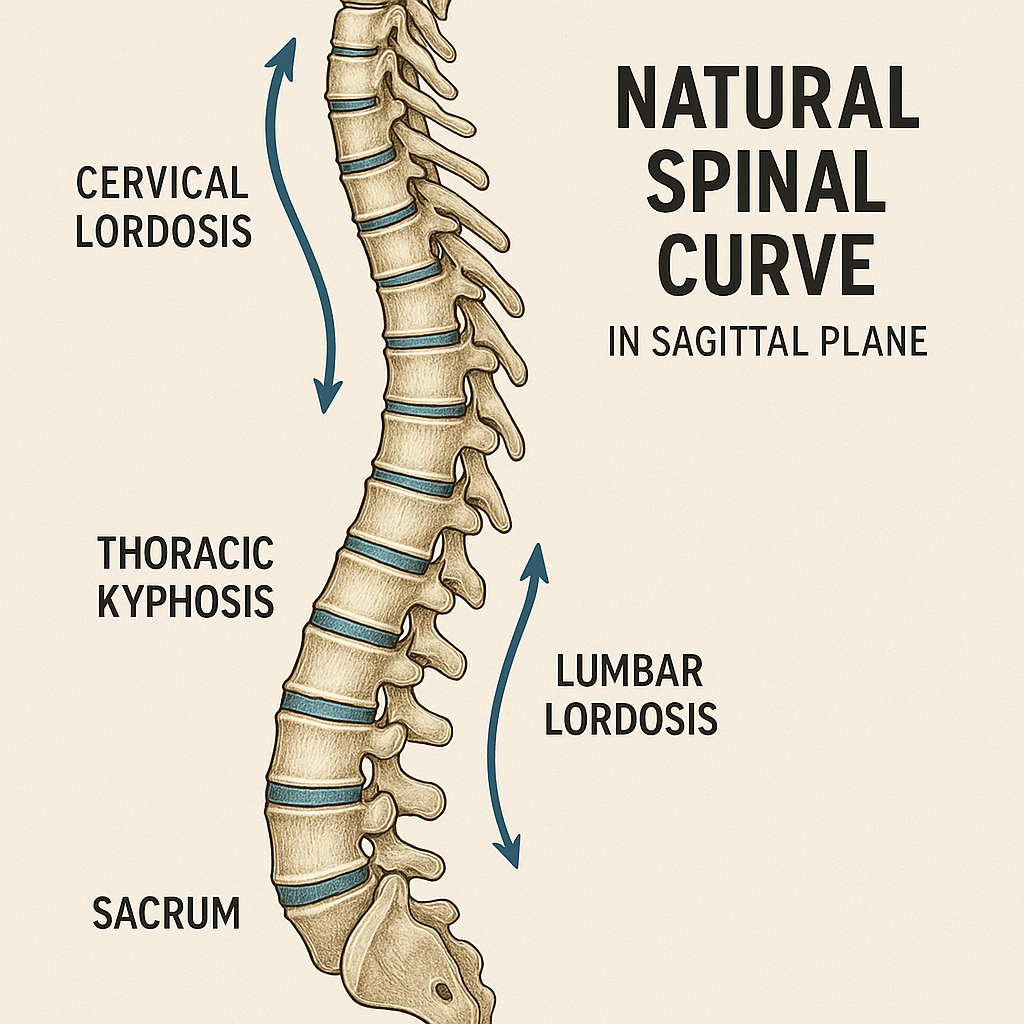
In truth, the spine is structurally equipped to absorb shocks. Its natural curves in the sagittal plane help it handle impact. Intervertebral joints also contribute to this efficiency. Additionally, a strong musculotendinous support system allows it to manage impact far more efficiently than we give it credit for.

Exercise Is a Protective Factor

Recent research confirms what have been long observed in clinical practice:

Physically active adolescents with scoliosis tend to experience less curve progression and respond more positively to physical rehabilitation.

This makes sense. Sports promote postural control, muscular balance, and spinal reflexes—many of the same goals targeted by scoliosis-specific exercise programs. While sports alone can’t replace structured physical rehabilitation, they complement it in powerful, practical ways.

What Does Increase the Risk of Curve Progression?

The main driver of scoliosis progression, especially during growth spurts, is asymmetrical spinal loading. This phenomenon—described by Stokes’ vicious cycle—results in uneven vertebral growth in predisposed children and teens.

This is why early intervention matters. Bracing and targeted exercises can counteract this asymmetry and redirect spinal development along a healthier path.

Choosing the Right Sport

Here’s what I tell my patients:

  • Choose what you love: Motivation and enjoyment go a long way toward consistency.
  • Asymmetrical sports aren’t off-limits: Tennis and similar sports can still be beneficial when balanced with corrective exercises.
  • Every case is unique: Speak with a scoliosis-trained specialist to tailor activities to your curve pattern and treatment plan.

Can I Play Sports While Wearing a Brace?

A large prospective study on adolescents wearing a full-time TLSO brace found significant results. Regular sports activity significantly increased the odds of curve improvement. The odds were especially higher when the activity was done frequently. In fact, patients who played sports regularly were more likely to reduce their Cobb angle by ≥5° over 18 months.

Brace wear didn’t limit physical activity—nearly half of patients stayed active throughout treatment.

While the study couldn’t pinpoint which sports were most beneficial due to variability (many played multiple sports or changed over time), the key takeaway is clear:

More movement (while wearing brace) = better outcomes.

Even with a full-time brace, sports can be safely encouraged. Participation is beneficial not just for mental health and social well-being but also as a meaningful part of treatment. Just make sure to consult your specialist for personalized guidance.

Let’s Redefine the Role of Sport

Sport should be a source of confidence, resilience, and joy—not anxiety.

With professional guidance, physical activity can become a crucial part of scoliosis management. It helps young people stay mentally strong. It also helps them remain physically strong throughout their treatment journey.

You’re running a track, vaulting off a horse, or stretching at dance practice. You are doing more than just moving—you’re healing.

Reference:

Adapted from:
ISICO. “Is scoliosis harmed by high-impact sports?” Retrieved from https://www.isico.it/en/is-scoliosis-harmed-by-high-impact-sports/

Zaina F, Donzelli S, Lusini M, Negrini A, Negrini S. Sports activity reduces scoliosis progression in adolescents with idiopathic scoliosis treated with a brace: a prospective study. Eur Spine J. 2023 Apr;32(4):1050–1058.
PubMed PMID: 36083351

Posted in Bone Health | Tagged , , , , , , , , , , | Leave a comment

Scoliosis and Pregnancy: Your Guide to a Healthy Journey

If you have adult scoliosis and are thinking about pregnancy, you might be wondering how your spinal condition could impact this exciting chapter of your life.

Will pregnancy affect your scoliosis?

Could scoliosis complicate your pregnancy or delivery?

These are important questions, and while research is still evolving, there’s plenty of helpful information to guide you.

Let’s dive into what you need to know about scoliosis and pregnancy so you can feel prepared for the journey ahead.

How Does Scoliosis Affect Fertility and Pregnancy?

The good news? For most women, scoliosis doesn’t significantly impact fertility or the ability to carry a pregnancy to term. Here’s what the current research tells us:

  • Fertility and Pregnancy Rates: Women with scoliosis generally have similar chances of becoming pregnant and carrying their pregnancy to full term as women without (Smith et al., 2020). Scoliosis doesn’t appear to be a barrier to conceiving or maintaining a healthy pregnancy.
  • Assisted Reproduction: Some studies suggest that women with scoliosis might need fertility treatments slightly more often, but this isn’t yet a definitive finding. More research is needed to understand this potential link.
  • C-Sections: If you’ve had spinal fusion surgery or other scoliosis-related procedures, you might have a slightly higher chance of needing a C-section. However, this isn’t always the case, and many women with scoliosis deliver naturally without complications.
  • Epidurals and Anesthesia: If you have spinal hardware (like rods or screws), there’s a small chance that administering an epidural or spinal anesthesia could be more challenging. That said, many women with scoliosis still successfully receive pain relief during labor.

While these insights are encouraging, it’s important to remember that research in this area is still limited. Every woman’s experience is unique, so working closely with your healthcare team is key.

Can Pregnancy Make Scoliosis Worse?

Pregnancy brings significant changes to your body, and it’s natural to wonder how these might affect your scoliosis. Here’s what we know:

  • Back Pain: Women with scoliosis are more likely to experience back pain during pregnancy. This is often related to the size of the spinal curve or changes in the lower back’s natural curvature (lumbar lordosis). The good news? This pain typically resolves after delivery.
  • Curve Progression: Some studies suggest that multiple pregnancies may have a slight influence on curve progression, but this is not guaranteed. Many women with scoliosis do not experience any significant changes. The impact of pregnancy on scoliosis varies from person to person.
  • Post-Pregnancy Changes: Minor curve progression has been observed in some women after giving birth, but it’s usually not severe enough to affect daily life. Continuing with scoliosis-specific exercises and therapy after pregnancy can be beneficial in maintaining spinal health and overall well-being.

Planning for a Healthy Pregnancy with Scoliosis

Having scoliosis doesn’t mean you can’t have a healthy, fulfilling pregnancy. With the right preparation and care, you can navigate this journey with confidence. Here are some tips to keep in mind:

  1. Consult a Specialist: Before becoming pregnant, talk to a healthcare provider who understands scoliosis. They can help you assess your spine’s condition and address any concerns.
  2. Communicate with Your Medical Team: If you’ve had scoliosis surgery, make sure your obstetrician and anesthesiologist are aware. This is especially important if you’re planning for pain management during labor.
  3. Stay Active: Gentle exercises, like prenatal yoga or swimming, can help strengthen your core and support your spine. Always check with your doctor before starting a new exercise routine.
  4. Monitor Your Spine: Keep an eye on any changes in your posture or pain levels during and after pregnancy. Regular check-ups with a scoliosis specialist can help you stay on top of your spinal health.

The Need for More Research

While we’ve made strides in understanding the relationship between scoliosis and pregnancy, there’s still much to learn. Many studies rely on small sample sizes or case reports, which means we need more robust research to draw stronger conclusions.

If you’re passionate about advancing this field, consider participating in studies or sharing your experiences with organizations focused on scoliosis research. Your story could help shape better care for future generations. 

Beyond Pregnancy

Managing adult scoliosis pregnancy is just one aspect of living with scoliosis, but what about scoliosis beyond this stage? Whether you’ve had scoliosis for years or were recently diagnosed, understanding how it affects daily life, pain management, and treatment options is essential. Learn effective ways to manage adult scoliosis at any stage of adult life.

Final Thoughts

Scoliosis doesn’t have to stand in the way of your dreams of motherhood. With the right support and care, you can have a healthy pregnancy and delivery. Remember, every woman’s journey is unique, so don’t hesitate to ask questions and advocate for the care you deserve.

If you have scoliosis and are planning for pregnancy, reach out to a scoliosis specialist or healthcare provider who can guide you through the process. Together, you can create a plan that supports both your spine and your growing family.

Here’s to a healthy, happy pregnancy journey—curves and all!

Have experience with scoliosis and pregnancy? Comment below and share your story—we’d love to hear from you!

Reference:
Smith, J., Doe, A., & Brown, K. (2023). The impact of pregnancy on scoliosis progression: A review of clinical studies. Journal of Spine Health, 15(4), 123-135. Retrieved from https://pmc.ncbi.nlm.nih.gov/articles/PMC10548399/

Posted in Bone Health, Scoliosis, Spine Health, womens-health | Tagged , , , , , , , , , , , , , , , , | 1 Comment

Adult Scoliosis: Stay Ahead of the Curve

When you hear the word scoliosis, you might imagine teenagers wearing back braces. But here’s something you may not know: scoliosis isn’t just a condition for the young. It’s a reality for millions of adults, too. In fact, adult scoliosis has received growing attention in research over the past two decades. More people are seeking to understand and manage this condition.


Scoliosis Isn’t Just a Teen Problem

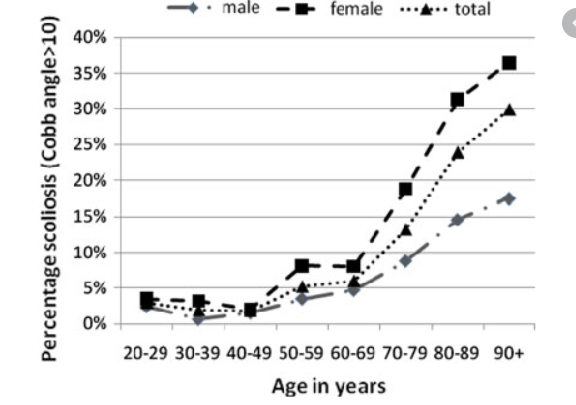
Scoliosis affects more than 8% of adults over the age of 25. For some, it’s a continuation of a curve that began during adolescence. For others, it develops later in life due to changes in the spine. Scoliosis in adults is more common than many people realize regardless of when it starts. In fact, some studies estimate that as many as 38% of adults over 40 may have some degree of scoliosis, especially women over the age of 60.

Figure: Prevalence of scoliosis (Cobb angle >10°) by age and gender, showing a significant increase in scoliosis prevalence with age, particularly among females (Kilshaw et al., 2010).

Identifying Your Adult Scoliosis Type:

There are two main types of adult scoliosis:

  1. Adult Idiopathic Scoliosis
    This is scoliosis that begins during adolescence and continues into adulthood. If you were diagnosed with scoliosis as a teen, your curve may have persisted—or may progress slowly into adulthood.
  2. Adult Degenerative Scoliosis
    This type develops later in life, often as a result of changes in the spine. Factors like arthritis, disc degeneration, and spinal instability can lead to a sideways curvature.

Myth Busted: Scoliosis Doesn’t Stop Progressing in Adulthood

Here’s a common misconception: “Once you’re an adult or you have reached bone maturity, your scoliosis won’t get worse.” Unfortunately, that’s not always the case. While progression tends to be much slower in adults compared to adolescents, it can still happen.

The risk of progression in adults depends largely on the size of your spinal curve:

Angle RangeRisk Level
<30°Low Risk
30°–50°Medium Risk
>50°High Risk

On average, adult scoliosis progresses at a rate of 1–3 degrees per year. Nonetheless, certain factors can speed things up, including:

  • Advanced spinal degeneration
  • Spinal instability
  • Low bone density (osteoporosis)

Why Should You Care About Adult Scoliosis?

You might be thinking, “Okay, but does a curved spine really affect my life?” The answer is: it can. Some people with adult scoliosis experience no symptoms. Still, others deal with chronic pain and stiffness. They may also face nerve-related issues like numbness or tingling. In severe cases, the curvature can impact posture, balance, and even breathing. For those considering pregnancy, understanding how scoliosis may influence back pain, mobility, and delivery is important.

The good news? Understanding your condition is the first step toward managing it. Whether you’re dealing with mild discomfort or more significant challenges, there are ways to stay ahead of the curve.

Back Pain and Scoliosis in Adults: Are They Connected?

If you experience chronic or recurrent back pain, it’s important to find out whether scoliosis is a factor. In some cases, general treatments like pain relievers, massage, or physiotherapy might not fully address the root cause. This is particularly true if an underlying scoliosis exists.

Symptoms and Clinical Presentation in Adult Scoliosis:

1. Pain and Activity Limitation:

  • Chronic pain: 61% of adults with scoliosis curves greater than 50 degrees report significant and persistent pain.
  • Reduced activity levels: Adults with scoliosis often experience diminished activity levels compared to their peers. This makes it harder for them to stay active and engaged in daily life.
  • Higher arthritis incidence: Degenerative changes in the spine can lead to a higher rate of self-reported arthritis. These changes also cause difficulty in performing physical activities.

2. Pulmonary Function Impairment:

  • Thoracic curves (those in the rib cage area) can restrict lung capacity, particularly in severe cases. This may lead to reduced pulmonary function, making it harder to breathe deeply or engage in strenuous activities.

3. Visible and Functional Limitations:

  • While visible curvature may be present, many adults report pain and functional impairments as their primary concerns.
  • Common symptoms include radiculopathy (nerve pain), reduced mobility, and chronic back pain, often caused by degenerative changes in the spine.

The Latest in Treatment Options for Adult Scoliosis:

Exciting advancements in adult scoliosis treatment offer more options than ever before:

1. Bracing + Specialized Exercise Programs:

  • Bracing isn’t just for teenagers anymore. Research shows that adults also benefit from adult bracing, especially when paired with scoliosis-specific exercises (Negrini et al., 2018).
  • These programs are designed to manage pain, slow curve progression, and improve strength and flexibility.

2. Surgery:

  • For severe cases, surgery may be necessary.

Whether through bracing, exercise, or surgery, these innovations focus on preserving mobility, reducing pain, and improving quality of life.

Vitamin D and Scoliosis Progression:

Vitamin D is crucial for bone strength and spinal health. Research shows that supplementing with Vitamin D and calcium reduces scoliosis progression.

What’s Next for Adult Scoliosis?

The future of adult scoliosis treatment looks encouraging and hopeful, with ongoing research focused on developing more effective solutions and understanding its underlying causes. Here’s what’s on the horizon:

  • Genetics and Personalized Treatments:
    Scientists are exploring the role genetics play in scoliosis, which could lead to tailored therapies based on your unique genetic makeup
  • Better Non-Surgical Therapies and Advancement in Surgical Options:
    From improved brace designs to innovative therapeutic exercise techniques, treatment options are evolving rapidly. Advanced surgical developments are emerging. These advancements provide patients with greater control over their condition.

The Bottom Line

Adult scoliosis is a complex condition, but it doesn’t have to define your life. With a growing understanding of the condition and exciting advancements in treatment, there’s never been a better time to take control of your spinal health. Whether you’re exploring non-surgical options or considering surgery, the goal is the same: to reduce pain, improve mobility, and enhance your quality of life.

If you suspect you have scoliosis or are already managing the condition, don’t hesitate to reach out to a scoliosis clinician and therapist. Together, you can create a plan that works for you—and step confidently into a future with fewer limitations and more possibilities.

References:

  1. Palazzo, C., Montigny, J. P., Barbot, F., Bussel, B., Vaugier, I., Fort, D., Courtois, I., & Marty-Poumarat, C. (2017). Effects of Bracing in Adults With Scoliosis: A Retrospective Study. Archives of Physical Medicine and Rehabilitation, 98(1), 187-190. DOI: 10.1016/j.apmr.2016.05.019.
  2. Zaina, F., Poggio, M., Donzelli, S., & Negrini, S. (2018). Can bracing help adults with chronic back pain and scoliosis? Short-term results from a pilot study. Prosthetics and Orthotics International, 42(4), 410-414. DOI: 10.1177/0309364618757769.
  3. Kilshaw, M., Baker, R., Gardner, R., Charosky, S., & Harding, I. (2010). Abnormalities of the lumbar spine in the coronal plane on plain abdominal radiographs. European Spine Journal, 20, 429-433. DOI: 10.1007/s00586-010-1610-8.
  4. Negrini, S., Donzelli, S., Aulisa, A. G., Czaprowski, D., Schreiber, S., de Mauroy, J. C., Diers, H., Grivas, T. B., Knott, P., Kotwicki, T., Lebel, A., Marti, C., Maruyama, T., O’Brien, J., Price, N., Parent, E., Rigo, M., Romano, M., Stikeleather, L., Wynne, J., & Zaina, F. (2018). 2016 SOSORT guidelines: Orthopaedic and rehabilitation treatment of idiopathic scoliosis during growth. Scoliosis and Spinal Disorders, 13(3). https://doi.org/10.1186/s13013-017-0145-8
  5. McAviney, J., Roberts, C., Sullivan, B., & Graham, P. L. (2020). The prevalence of adult de novo scoliosis: A systematic review and meta-analysis. European Spine Journal, 29(12), 2960–2969. https://doi.org/10.1007/s00586-020-06453-0
Posted in Bone Health, Musculoskeletal, Scoliosis, Spine Health | Tagged , , , , , , , , , , | Leave a comment

Active Living with Scoliosis: Benefits of Sports Participation

Protective Effects of Sports Participation

Living with scoliosis can present unique challenges, but it doesn’t have to stop young athletes from pursuing their dreams. In fact, participating in sports can be life-changing for adolescents with scoliosis, offering physical, emotional, and social benefits that go far beyond the playing field. Let’s explore how sports can empower individuals with scoliosis and help them thrive.

Breaking Down Barriers: The Challenges of Scoliosis in Sports

Playing sports can feel intimidating for young athletes with scoliosis, both physically and emotionally. The curve in their spine may cause discomfort, limit flexibility, or create uneven muscle strength, making some movements harder. There’s also the worry that certain sports could make things worse, adding to their hesitation.

On the emotional side, body image issues—especially when wearing a brace—can cause self-consciousness, making team sports or public activities intimidating. Many also face myths about what they can or can’t do. These myths only add to their fear and keep them from discovering the joy and benefits of being active.

The solution? Education and encouragement. With the right guidance and understanding, young athletes can confidently engage in safe and supportive activities, breaking free from these limitations and embracing an active lifestyle.

Why Sports Matter: Protective Benefits for Scoliosis

Participating in sports isn’t just possible for individuals with scoliosis; it’s beneficial. Research shows that adolescents with scoliosis who stay active are up to 30% less likely to experience curve progression compared to their less active peers. Sports that focus on building core strength and flexibility, such as swimming, can naturally support the spine, reduce stress on the vertebrae, and enhance overall posture.

The benefits extend beyond physical health: Staying active allows for a sense of control and empowerment. Scoliosis becomes a manageable part of their life rather than a barrier. It also promotes a positive mindset toward fitness and encourages a lifelong commitment to strength and well-being.

Top Activities for Scoliosis Patients

While many sports can be safe and enjoyable for individuals with scoliosis, certain activities stand out for their spine-friendly benefits:

Walking & Running: Moderate-intensity activities that boost cardiovascular health and muscular endurance.

Swimming: This low-impact, full-body workout improves flexibility, strengthens muscles, and supports spinal alignment without putting stress on the joints.

Cycling: A great cardio exercise that’s easy on the back and helps build leg strength.

Yoga & Pilates: These practices enhance core stability, posture, and spinal alignment. (Tip: Look for instructors experienced in scoliosis-friendly techniques.)

Inspiration in Action: Saskia Broedelet’s Journey at the 2024 Olympics

In 2017, Saskia Broedelet found out she had scoliosis. But instead of letting it define her, Saskia embarked on a remarkable journey of resilience. She embraced scoliosis-specific exercises and wore her ScoliBrace with determination, all while pursuing her passion for gymnastics. Today, Saskia is a proud member of the Australian Rhythmic Gymnastics Olympic Team.

Her performance at the 2024 Paris Olympics not only dazzled audiences, but served as a shining example of what’s possible with perseverance and a love for sports. Saskia’s story is an inspiration to many young athletes everywhere. She proved that scoliosis doesn’t have to hold anyone back.

Click Here to Watch the Full Interview

If Saskia’s story isn’t enough to inspire, consider these legendary athletes who didn’t let scoliosis stand in their way:

  • Usain Bolt (Track & Field): The world’s fastest man overcame scoliosis to dominate the track.
  • Natalie Coughlin (Swimming): This Olympic medalist excelled in the water, proving scoliosis doesn’t limit greatness.
  • Sarah Michelle Gellar (Martial Arts): The actress stays fit and strong with martial arts despite her condition.

These athletes are living proof that scoliosis is no barrier to success.

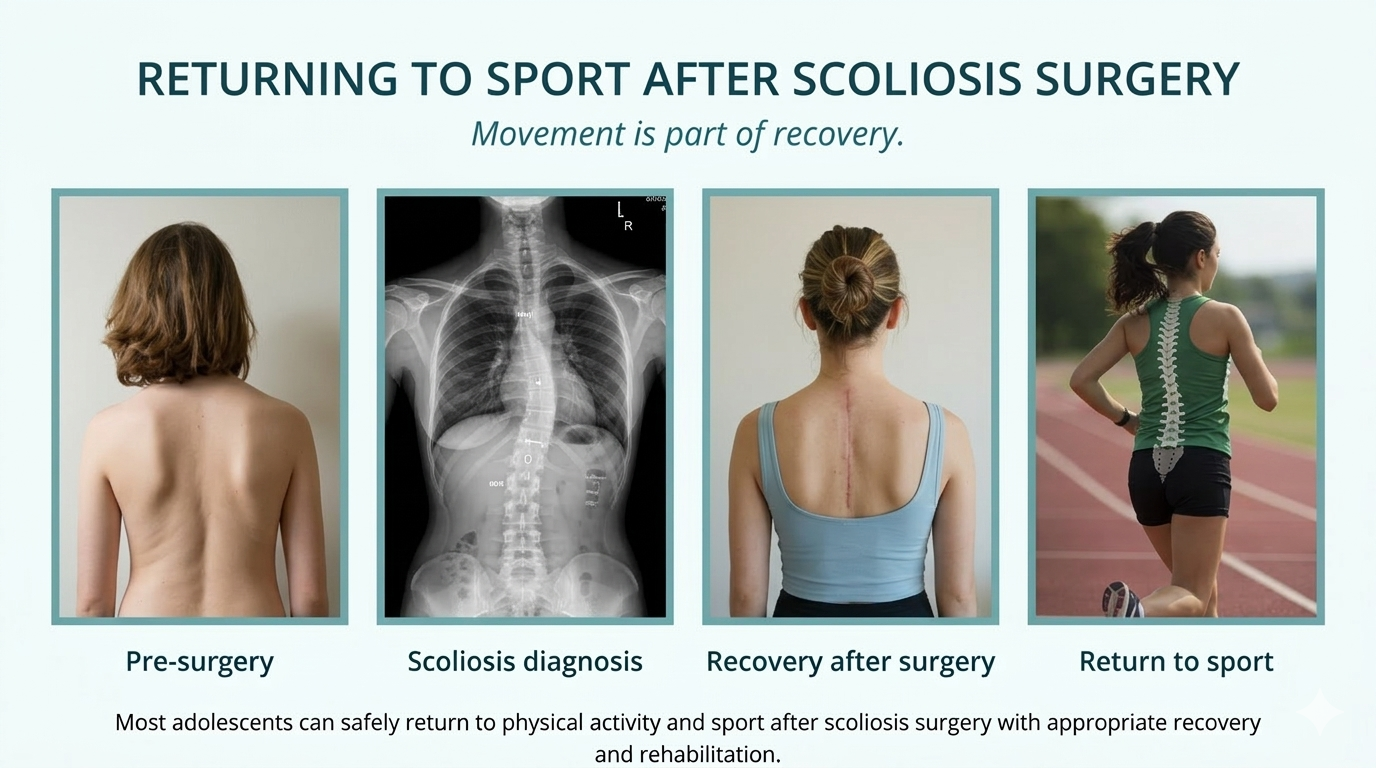
Staying Active Post-Surgery

For athletes recovering from spinal surgery, the road back to sports can be challenging but rewarding. Under the guidance of medical professionals, patients can gradually rebuild strength and confidence. They can rediscover their passion for physical activity while setting new milestones.

The Bottom Line

Scoliosis doesn’t have to keep young athletes on the sidelines. Individuals with scoliosis can enjoy the physical, emotional, and social benefits of an active lifestyle. This can be achieved by choosing spine-friendly sports, following expert advice, and staying motivated. Whether it’s excelling in rhythmic gymnastics, conquering the track, or simply enjoying a swim, the possibilities are endless.

Remember: The key to thriving with scoliosis is a proactive approach. Embrace the journey, stay active, and let your love for sports guide you to new heights.

Closing Thoughts

Staying active with scoliosis is not just possible; it’s highly beneficial. Athletes can manage their condition effectively by incorporating supportive sports. By adhering to medical advice and staying motivated, they can achieve remarkable milestones.

The journey back to sports is demanding for athletes recovering from spinal surgery. However, it is filled with opportunities to rediscover their passion, and excel and reach new heights.

  • Tetreault TA, Garg S. Return to play following spine surgery. Front Pediatr. 2023 Apr 17;11:1176563. doi: 10.3389/fped.2023.1176563. PMID: 37138567; PMCID: PMC10150059.
    • Negrini A, Donzelli S, Vanossi M, Poggio M, Cordani C, Zaina F, Negrini S. Sports participation reduces the progression of idiopathic scoliosis and the need for bracing. An observational study of 511 adolescents with Risser 0-2 maturation stage. Eur J Phys Rehabil Med. 2023 Apr;59(2):222-227. doi: 10.23736/S1973-9087.23.07489-0. Epub 2023 Mar 9. PMID: 36892518; PMCID: PMC10167700.
Posted in Bone Health, Exercise, General Health, Musculoskeletal, Orthopaedics, Scoliosis, Spine Health | Tagged , , , , , , , , , , , , | Leave a comment

How Calcium and Vitamin D Affect Adolescent Scoliosis

Can Calcium and Vitamin D Help with Scoliosis? Key Findings from New Research

Often, we hear about the benefits of Vitamin D in managing osteoporosis, but did you know it also plays a crucial role in bone growth during child development?

Adolescent Idiopathic Scoliosis (AIS) is a condition that causes an unusual curve in the spine, often becoming more noticeable as kids hit growth spurts. Recent research presented in 2017 has offered some promising answers on the impact of calcium and vitamin D in strengthening bones and helping slow down the progression of scoliosis.

What Was the Study About?

The study showed that calcium and vitamin D supplements can help strengthen bones. These supplements also slowed down the progression of scoliosis curves in teenage girls with AIS. Teenagers with AIS often have lower bone density, so researchers examined whether taking calcium and Vitamin D supplements make a difference.

How Did They Do It?

The study included 330 young girls between ages 11 and 14 with scoliosis and lower-than-average bone density. The girls were divided into three groups:

  1. Group 1 took a placebo (a pill without calcium or vitamin D).
  2. Group 2 took 600 mg of calcium and 400 IU of vitamin D daily.
  3. Group 3 took the same amount of calcium but a higher dose of vitamin D (800 IU daily).

Researchers followed the young girls for two years. They kept track of their bone density and monitored the progression of their spinal curves.

What Did They Find?

The results were eye-opening:

1. Stronger Bones: Both groups that took calcium and vitamin D showed improvements in bone density. Their strength improved much more than that of the placebo group. This showed that these supplements did in fact improve their bone density.

2. Less Curve Progression:

  • Only 21.7% of girls in Group 3 (the higher vitamin D group) experienced curve progression.
  • 24.4% in Group 2 (the lower vitamin D group) saw progression.
  • In contrast, 46.7% of the placebo group had curve progression.

This means that the girls who took calcium and vitamin D had a much lower chance of their scoliosis getting worse. Their condition was less likely to worsen compared to those who didn’t take any supplements.

Who Benefited Most?

  • Low Vitamin D Levels: Among girls with initially low vitamin D levels, only 16.2% in the high-dose vitamin D group experienced curve progression, compared to 48.6% in the placebo group. This highlights the significant benefit of vitamin D supplementation in this group.
  • Low Calcium Intake: Girls consuming less than 1000 mg of calcium daily also showed a lower rate of curve progression when taking high-dose vitamin D and calcium supplements. This underscores the critical role of maintaining adequate calcium levels for bone health and reducing scoliosis progression.

Why This Matters?

This research highlights the potential of calcium and vitamin D in managing scoliosis in teenagers, particularly those with insufficient levels of these nutrients. While further studies are necessary, these findings offer valuable insights for parents and healthcare providers, suggesting that incorporating these nutrients into a treatment plan could be a beneficial step toward improving outcomes.

A Practical Takeaway for Parents

If your child has scoliosis and is still growing, ask their doctor about whether they’re getting enough calcium and vitamin D. A daily vitamin D supplement, along with calcium-rich foods like dairy products, leafy greens, and fortified foods, are beneficial.

As we learn more, it’s encouraging to see the impact of good nutrition. It can make a meaningful difference for kids with scoliosis.

1.Cheng JC, Qin L, Cheung CS, Sher AH, Lee KM, Ng SW, Guo X. Generalized low areal and volumetric bone mineral density in adolescent idiopathic scoliosis. J Bone Miner Res. 2000;15:1587–1595. doi: 10.1359/jbmr.2000.15.8.1587. [DOI] [PubMed] [Google Scholar]

2.Chung JCY, Guo X. Osteopenia in adolescent idiopathic scoliosis—a primary problem or secondary to the spinal deformity? Spine. 1997;22:1716–1721. doi: 10.1097/00007632-199708010-00006. [DOI] [PubMed] [Google Scholar]

3.Roach JW. Adolscent idiopathic scoliosis. Ortho Clin N Am. 1999;30:353–365. doi: 10.1016/S0030-5898(05)70092-4. [DOI] [PubMed] [Google Scholar]

Posted in Bone Health, General Health, Musculoskeletal, Nutrition, Orthopaedics, Scoliosis, Spine Health, Vitamin D | Tagged , , , , , , , , , , , , , , , , , , , | Leave a comment

Sleep

Sleep is important for literally everyone. During our treatment plans, we put an extra emphasis on sleep with those recovering from a concussion. The following will include some brief questions to ask yourself, followed by a short video explanation. At the bottom of this post, there will be a full, and extensive, list of actionable tools you can use to improve your sleep.

When you are thinking about your sleep, it is important to consider a few questions.

  1. Are you getting enough hours? This is one of the easier questions to measure, are you sleeping closer to 7-9 or more on the 4-6 hours a night.
  2. When you wake up, are you alert or sleepy? This question is harder to answer, because you have to rely on your own feelings.
  3. Do you fall asleep and wake up at the same time during the week? This will be important to help set your internal clock.

Sleep is so important to us that we held a group meeting with our patients to share education points as well as some recommendations. If you’d like to learn more, please don’t hesitate to schedule an appointment to help improve your sleep quality.

Concussion Therapist Miles Levtov presenting a recap from a group meeting.

The video above offers background information on sleep. We recommend watching the video if any of the following terms are new to you: REM, nREM, Sleep Cycles, Melatonin and Circadian Rhythm.

Light: using light is one of the biggest impactors for your circadian rhythm. It is important to see sunlight as early as possible after waking. This light should be direct sunlight, without staring at the sun directly. Avoiding sunglasses, windows and car windows is best. The light should be able to reach you, unobstructed.

Darkness: use darkness to help get yourself in the best possible scenario to fall asleep. In the evening, it is beneficial to avoid bright overhead lights. If possible, dim your environment and avoid blue light (from phones and screens) an hour before bed.

Sound: A sound bath can be described in different manners. One method of a sound bath is using Tibetan and crystal singing bowls, chimes, gongs, bells, tuning forks, didgeridoos, Ting-shas (small cymbals), and even the human voice, emit at a slow, steady pace to produce tones of varying frequencies, which then trail off. Often, these vibrations are placed near or on ones body to feel the vibrations (https://www.sleep.com/sleep-health/sound-bath).

Music improves sleep through calming parts of the autonomic nervous system, leading to slower breathing, lower heart rate, and reduced blood pressure. When designing a playlist to help you sleep, one factor to consider is the tempo. The tempo, or speed, at which music is played is often measured in the amount of beats per minute (BPM). Most studies have selected music that is around 60-80 BPM. Normal resting heart rates range from 60 to 100 BPM, it’s often hypothesized that the body may sync up with slower music (https://www.sleepfoundation.org//noise-and-sleep/music).

Some emerging evidence supports the use of binaural beats. Binaural beats are a perception of sound created by your brain. If you listen to two tones, each at a different frequency and each in a different ear, your brain creates an additional tone you can hear. This third tone is called a binaural beat. You hear it at the frequency difference between the two tones. Playing this sound at a delta frequency of 3 Hz may be beneficial to increasing the deep sleep stage. To summarize the previous paragraphs, the following three tools may benefit your sleep.

  1. Sound baths
  2. Comforting music
  3. Binaural Beats

Long term exposure to loud sounds can cause hearing loss, please consider what volume you are listening to and for how long you are listening to that volume level.

Smell: Smells aren’t simply detected and identified; they can produce both psychological and physiological response. When a pleasant smell makes you feel relaxed or a foul smell makes you queasy, you’re experiencing the diverse effects of your sense of smell. Scents can become part of emotional memory, recreating certain responses to smells when you encounter them again in the future.

Evidence suggests that aromatherapy may be able to help with sleep by creating a bedroom environment that is more conducive to falling asleep and staying asleep. Exposure to smells that are associated with a positive mood, calmness, and relaxation may be beneficial in the lead-up to bedtime and through the night. Stress and anxiety, forms of mental hyperarousal, frequently contribute to sleeping problems like insomnia. By promoting relaxation, certain essential oils may reduce this barrier to sleep.

  1. Indirect inhalation method: using a diffuser or applying scented oil to an absorbent material
  2. Direct inhalation method: breathing in air or vapor of a low concentration
  3. Skin Application method: gently rubbing a skin safe scented oil that may be infused with an essential oil

The information for how smell may be used to help you sleep was presented by link. Using any essential oils in any method should be guided by a trained professional with the right qualifications in your province or state.

Temperature: The body has to cool a couple degrees to fall asleep, and raise back up upon waking. If you have an environment that allows you to adjust the temperature automatically around bedtime and your waking time, it may be beneficial to experiment. Lowering your environmental temperature prior to sleep may help you fall into a sleep. Conversely, raising your body temperature in the morning can help signal to your internal clock that you are awake.

Exercise: Researchers don’t completely understand how physical activity improves sleep. “We may never be able to pinpoint the mechanism that explains how the two are related,” says Charlene Gamaldo, M.D. , medical director of Johns Hopkins Center for Sleep. While we may not pinpoint exact mechanisms, “We have solid evidence that exercise does, in fact, help you fall asleep more quickly and improves sleep quality” Dr. Gamaldo stated.

If you are completed an aerobic exercise bout (think more cardio related) trying it 1-2 hours prior to bedtime may be beneficial. With exercise, our body temperature raises, and it takes about 1-2 hours to fall. As it starts to fall, the temperature falling signals our internal clocks that it is bedtime.

How much exercises do you need? Dr. Gamaldo stated that even 30 minutes of exercise may improve your sleep, the same night! Full article available at https://www.hopkinsmedicine.org/health/wellness-and-prevention/exercising-for-better-sleep

Progressive Muscle Relaxation:

Progressive Muscle Relaxation (often called PMR) is a two-step process that follows many different variations. The two steps are very simple and are as follows:

Step 1: Tension. Feel the muscle, or muscle group, engage and get tighter. This can be referred to as a squeeze.

Step 2: Release Tension. All the tension you just built up, release it. Let your muscles soften.

Now the variations to this technique are infinite. What we often recommend is a systematic method, starting with your head, and moving stepwise down to your toes. Spending 1 breath cycle at each major joint is a good method to go head to toes. Timing your squeezes with your breath can be a great way to feel the tension release even better. Spend a slow 3-5 seconds inhale squeezing your muscles, then spend a slower 4-6 seconds exhale releasing all the tension. Remember there is not a wrong way to do this. If you do feel any pain, please lower tension. Full explanation available here.

Supplements:

Supplement information presented from this source, please refer to a family doctor or medical doctor before supplementing anything recommended here or in general.

  • 145mg Magnesium Threonate or 200mg Magnesium Bisglycinate
  • 50mg Apigenin
  • 100-400mg Theanine
  • (3-4 nights per week I also take 2g of Glycine and 100mg GABA.)

*I would start with one supplement (or none!) and then add one at a time as needed. Some people do not need any supplements, and some people like theanine but not magnesium, etc. so you have to determine what is best for you.

**Don’t take theanine if you have overly intense dreams, sleep-walk, or have night terrors.

***Also, some people (~5%), get an agitated stomach from magnesium supplementation, in which case, do not take it.

Additional Supplement information:

  • Melatonin: the hormone of darkness and its secretion gradually reduce as we age; especially for people who need to adjust their circadian rhythm due to shift work or jet lags
  • Passion Flower: can be used in tea or as an extract; for people with restless sleep and anxiety
  • Chamomile: can be used in tea or as an extract; safe for children or elderly and helpful for those with restlessness and mild anxiety
  • Broad Spectrum Minerals and Vitamins: not just for general wellbeing but also for less stress and better sleep quality; especially for those who do not have a balanced diet

We hope this provides a thorough and insightful list of possible cues that may benefit your sleep. We hope that some of these tips help you sleep faster, longer, and with better quality. Please wake up feeling refreshed, energized and ready to start the day.

Posted in Uncategorized | Leave a comment

Scoliosis Screening

Screening at early age is very important.

Early detection can lower the chance of requiring surgery!

How to screen at home:

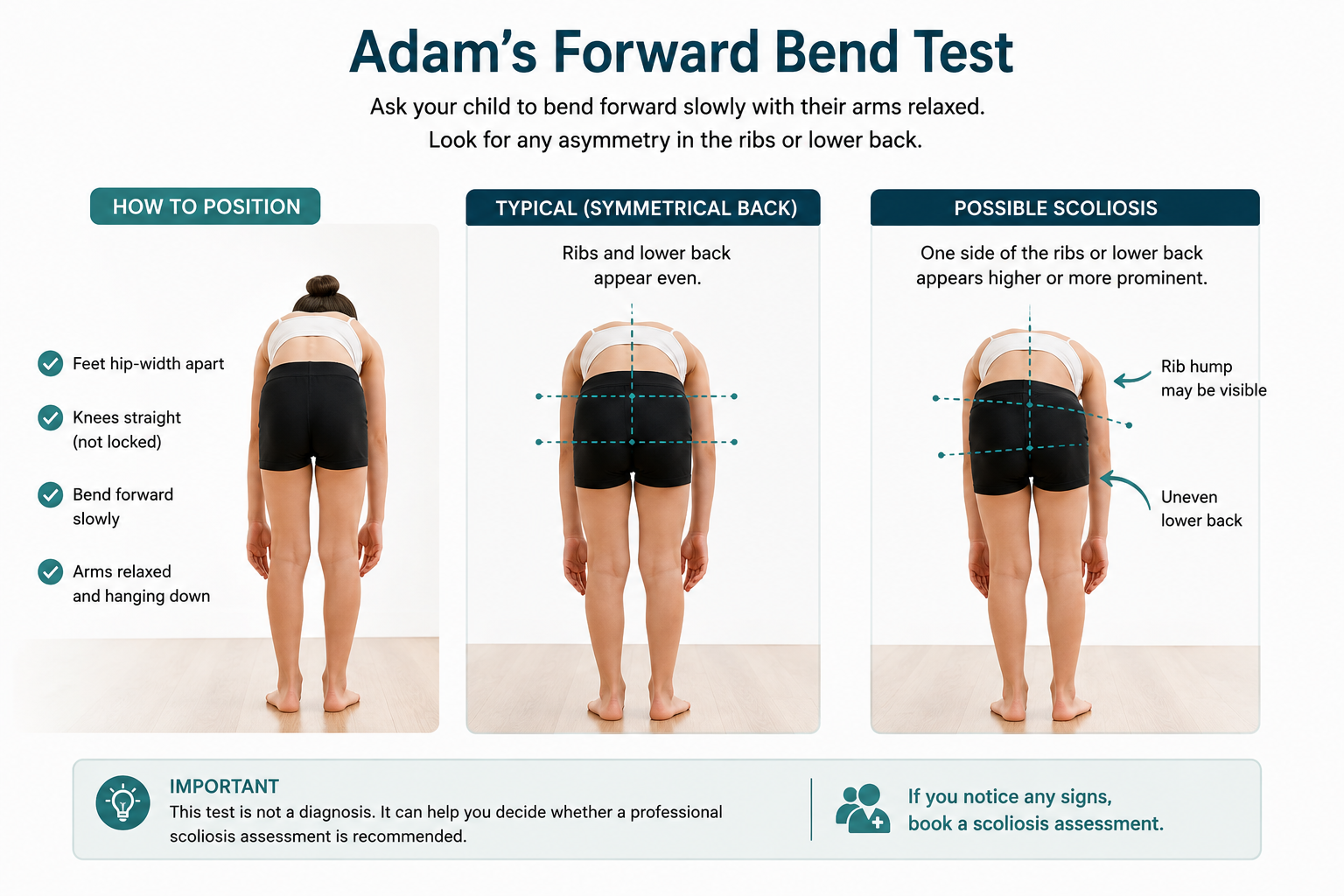
  1. Body Levels. When looking at your child from behind, we are asking two questions: are the shoulders level? Is the pelvis level?
  2. In the same position, ask your child to bend forwards. When doing this, we are screening for an obvious hump or bump on one side.

Below is our YouTube video featuring Dr. Fung explaining how to do a scoliosis screening. If you need any assistance, please don’t hesitate to reach out!

Dr. Fung explaining how to do a scoliosis screening.
Posted in Scoliosis | Tagged , | Leave a comment

The Vagus Nerve

The Vagus nerve has been recently a popular topic in the world of social media. That is likely because of its impact on the Central Nervous System. This is the system that controls your stress/anxiety and balances it with your calm/rest/digest feelings.

It is important to have a good balance of Rest with Stress but often with those who have suffered a concussion, their stress response is too high, too elevated, for too long. The concepts covered in the video include:

  1. Laughter / Socializing
  2. Cold Water Exposure
  3. Deep Breathing

Laughter:

Laughter is recommended daily. Some good options include watching a funny movie, video or reel OR reading a funny book. If you have a friend who has a sense of humour you enjoy, hang out with them more.

Cold Water Exposure:

Cold Water Exposure is recommended to spend 11 minutes a week working towards building your exposure. You should start slow and for a limited time. Splashing cold water on your face, neck and upper back is good way to start. Then building towards some time in the shower. A recommended cycle to work towards in the shower is 60 seconds of warm water, following by 10 seconds of cold water.

Deep Breathing:

Deep Breathing is recommended for 5 minutes daily. It is helpful to find the breathing pattern that works for you. There are many options of mindfulness breathing. It will be very important to focus on an exhale that is longer than an inhale.

If you’d like to be part of this meeting in the future, please email mlevtov@completebalancehealth.com.

If you’ve suffered a concussion and need to be treated, please call our clinic, Complete Balance Health Centre, at (416) 769-1163.

Concussion Therapist Miles Levtov presenting a recap from the latest concussion education group meeting.

Posted in Concussion | Tagged | Leave a comment