
More sport teams are doing base-line measurements than before – targeting young players who are susceptible to concussions. Base-line measurements compare a person’s body or bodily function both before and after a ‘concussive event’. Some base-line measurements seem to limit such measuring to the player’s sense of balance but that does not reflect the full effects of a concussive event.
Anthony Kontos, PhD, from the University of Pittsburgh, said “More and more people are starting to realize that you need to take a comprehensive approach so that you don’t send a kid back who might be recovered on one measure but not another,”

Brain injury by Samarttiw
Dr Kontos and his team followed 24 female and 42 male high-school and college athletes after a diagnosis of concussion in accordance with established medical guidelines. The average age of the athletes was 16.5 years.
Key Findings:
- The biggest improvements in self-reported symptoms occurred in the first 2 weeks, but they continued to improve up to 4 weeks.
- Verbal and memory impairments last longer than vestibular (balance and eye movement) and oculomotor (vision) symptoms.
- Female athletes took longer to recover than male athletes.
- Clinicians are advised to follow a more comprehensive approach, not just one, to assess whether an athlete has recovered from a concussion. This approach may measure changes in such areas as: 1) verbal memory, 2) visual memory, 3) visual motor processing speed, 4) reaction time 5) dizziness, 6) vestibular and 7) oculomotor symptoms.
As a practitioner, I also found that among those patients who have had concussions – whether from sport injuries, whiplash injuries or car accidents – self-report memory impairment seems to last longer than the patient’s balance impairment.
Some clinicians suggest that concussion recovery requires only a 7- to 14- day recovery period. However, this consensus is based upon studies of male American football players that looked ONLY at neurocognitive tests and symptoms.
The study conducted by Dr. Kontos was only limited to 4 weeks due to funding limitation. Some imaging studies (PET scan) have suggested abnormalities beyond that time period.
Dr Kontos presented his findings at the American College of Sports Medicine 62nd Annual Meeting 2015.
References: Br J Sports Med. 2013;47:250-258

 From the Western point of view, too much salt in the diet leads to hypertension. In fact, Western physicians very strongly urge their hypertensive patients to reduce salt. This urging has resulted in some patients obediently going to great lengths to maintain a salt-free diet. Cutting out that extra spoonful of salt is probably a good idea, but it should be noted that a recently published review article suggests that sugar, not salt, is the culprit. It appears that sugar is likely the major contributor to most of the


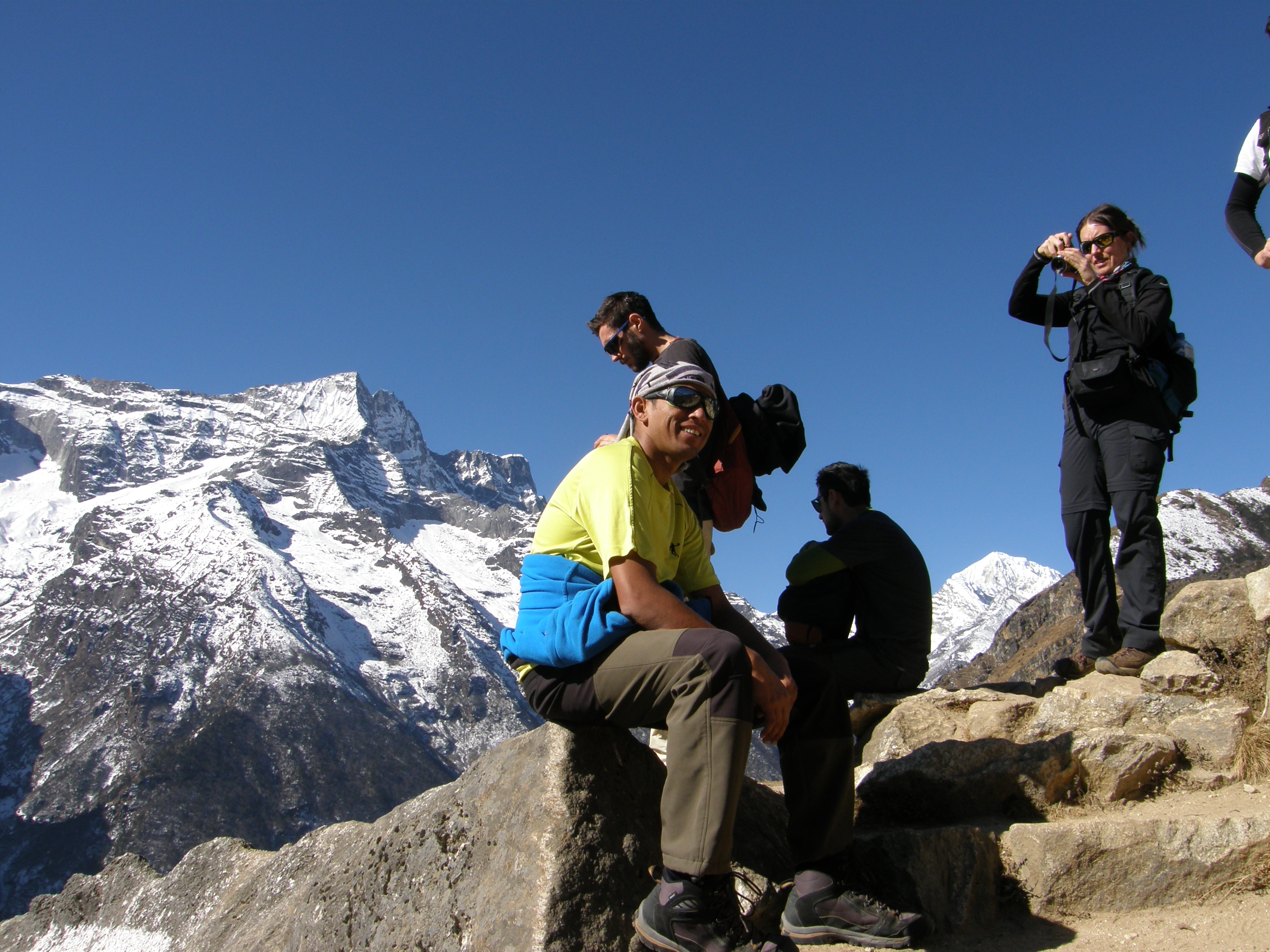
 The symptoms of High Altitude Sickness are less obvious. Common symptoms include headache, loss of appetite and trouble sleeping. It feels like a hangover. More severe symptoms may include vomiting and dizziness, feeling confused, an inability to walk straight and having blue or gray fingernails and lips. It also turns out that your physical fitness has no bearing upon your ability or inability to fall victim to the sickness.
 So, I stuffed myself with garlic nearly every meal. The trip to the Everest Base Camp took about eight days. I am happy to report that I didn’t suffer any discomfort from high altitude sickness. Perhaps the garlic did its job.

 cardiovascular consequences.


 Ask Dr. James